
ASRock Motherboard Micro ATX DDR3 1066 NA D1800M
4.0Editor score
Dual core processor included
Affordable micro ATX form
Basic connectivity options
This guide compares the top low power motherboard options for energy efficient builds focusing on NAS home server industrial firewall and mini PC use cases to
Finding the right low power motherboard is crucial for building energy efficient systems that run quietly and coolly without sacrificing essential performance for your specific needs like home servers or NAS devices.
We have carefully evaluated ten distinct models based on their processor efficiency thermal management connectivity options and overall value to ensure you get a reliable platform that minimizes power consumption over time.
Each selection in this list highlights unique strengths ranging from budget friendly options to industrial grade solutions while noting that current pricing may vary so please verify the latest offers before making your final decision today.
4.0Editor score

4.5Editor score

4.1Editor score
The following table provides a side by side overview of all ten selected low power motherboards highlighting their key specifications form factors and primary use cases to help you quickly identify the right fit for your project.



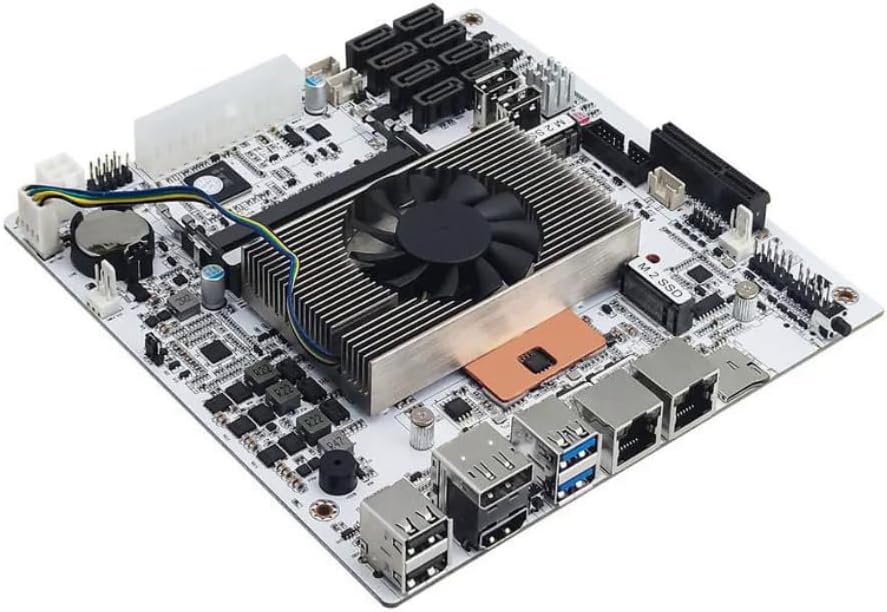
This industrial grade motherboard stands out as a top choice for users seeking a balance between performance and efficiency. It holds a strong rating and offers exceptional connectivity that few other low power boards can match at this level.
We may earn a commission when you buy through this link, at no additional cost to you.
The inclusion of four 2.5GbE network ports makes it ideal for complex network security setups or high bandwidth NAS configurations. Its low power processor ensures minimal heat generation while still delivering sufficient throughput for demanding tasks.
While the board requires a specific power connection setup which might add complexity to some builds, the reliability it offers in 24/7 operation scenarios outweighs this minor inconvenience for professional users.
If you are building a home lab server or a network appliance where stability and speed are paramount, this board is highly recommended. It provides the robust foundation needed for serious home server applications without excessive power draw.
The four integrated 2.5GbE ports allow for link aggregation or dedicated network segments without needing additional PCIe cards.
Built with a high density moisture proof fiber circuit board this unit is designed to withstand continuous operation in varied environments.
We may earn a commission when you buy through this link, at no additional cost to you.
For those on a strict budget who need a functional low power system this ASRock model is an excellent starting point. It offers a straightforward design that gets the job done without unnecessary frills or costs.
We may earn a commission when you buy through this link, at no additional cost to you.
The included dual core processor is surprisingly capable for light tasks like file serving or basic web browsing. It consumes very little electricity which helps reduce long term operational costs significantly over time.
Users should be aware that the memory slots are DDR3 which means older RAM will be needed. However for a simple static build this is not a major drawback compared to the low cost savings.
This board is perfect for a basic home server or a lightweight desktop where performance is secondary to economy. It remains a solid choice for anyone needing a reliable low power foundation today.
Pricing under forty dollars this board offers unmatched value for entry level projects requiring minimal power usage.
Support for older DDR3 memory modules allows users to repurpose existing components easily reducing the total build cost.
We may earn a commission when you buy through this link, at no additional cost to you.
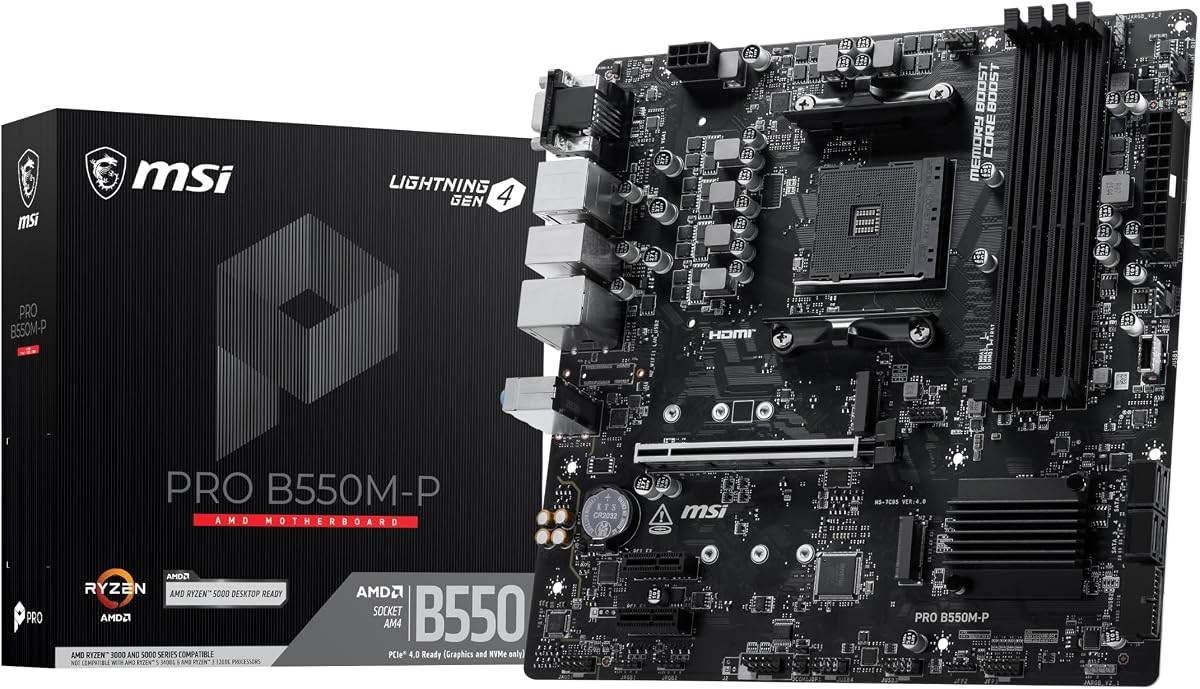
This motherboard provides a versatile platform for users who want to leverage AMD Ryzen processors without breaking the bank. It supports a wide range of CPUs allowing for easy upgrades as your needs grow over time.
We may earn a commission when you buy through this link, at no additional cost to you.
The 3+3 phase power design ensures stable delivery to the CPU while maintaining efficiency during light loads. This makes it suitable for systems that need to run quietly and coolly for extended periods.
While it lacks some of the premium audio or USB features found on higher end boards it covers all the essential bases for a functional system. The PCIe 4.0 support ensures future compatibility with modern storage and graphics.
For hobbyists looking to build a compact desktop or a low cost workstation this board offers the right mix of features and affordability. It is a practical choice for those prioritizing CPU flexibility and performance.
Support for Ryzen 5000 series CPUs means you can upgrade to a low power efficient processor later without changing the board.
Enhanced chipset heatsinks help dissipate heat efficiently keeping the system cool even when running under moderate load.
We may earn a commission when you buy through this link, at no additional cost to you.
This MSI model brings professional grade features to a consumer friendly price point making it a strong contender for efficient builds. It is designed to handle modern workloads while keeping power management in check for better efficiency.
We may earn a commission when you buy through this link, at no additional cost to you.
The VRM Core Boost technology ensures that the processor receives consistent power even during spikes which improves overall stability. This is particularly useful for low power systems that need to remain responsive at all times.
Memory overclocking capabilities allow for faster data processing which can be critical for certain server or virtualization tasks. The dual M.2 slots provide ample room for fast storage without cluttering the SATA ports.
Ideal for users who need a reliable workstation base without spending a fortune this board delivers consistent performance. It is a smart buy for anyone looking to balance capability with power efficiency in a compact form.
Passive chipset cooling combined with AI fan control helps keep noise levels low while maintaining optimal thermal performance.
DDR4 memory support allows for high speed RAM which can significantly boost performance for multitasking and virtual machines.
We may earn a commission when you buy through this link, at no additional cost to you.
This motherboard comes with an integrated quad core processor which simplifies the build process for compact systems. It is a straightforward choice for users who want a ready to go solution without worrying about CPU compatibility.
We may earn a commission when you buy through this link, at no additional cost to you.
The J4125 processor is known for its low thermal design power making it excellent for passive cooling scenarios. This board is often used in small NAS builds or thin client setups where space is very limited.
While the rating is slightly lower than some competitors it remains a functional option for specific low power applications. The single M.2 slot provides a nice balance between storage speed and cost for typical home users.
If you are building a small media server or a basic office PC this board offers a hassle free path to completion. It is best suited for users who prioritize simplicity and low heat output over raw speed.
Having the processor built in means fewer components to source and reduces the chance of compatibility issues during assembly.
The compact form factor allows for installation in smaller cases which is ideal for living room setups or tight office spaces.
We may earn a commission when you buy through this link, at no additional cost to you.
This board is engineered for users who need reliable connectivity and support for modern AMD processors. It stands out with its versatile video output options making it great for systems that need to drive multiple displays.
We may earn a commission when you buy through this link, at no additional cost to you.
The six phase power design provides a stable environment for the CPU which is crucial for long term reliability. Users can trust this board to handle daily tasks efficiently while maintaining low power draw during idle periods.
Memory support extends to high speeds which helps in scenarios where RAM bandwidth is a bottleneck. This feature makes it a strong candidate for light virtualization or media transcoding tasks on a budget.
It is an excellent choice for home users or small offices that need a stable and fast system without premium costs. If you value compatibility with legacy and modern monitors this model deserves your attention.
Support for HDMI DVI and VGA means you can connect almost any monitor type without needing adapters.
Premium chokes ensure that power delivery remains clean and consistent reducing the risk of system crashes under load.
We may earn a commission when you buy through this link, at no additional cost to you.
For builders focused on minimizing space this mini ITX board is a powerful option that does not compromise on essential features. It includes integrated wireless connectivity which is often a missing feature on smaller form factors.
We may earn a commission when you buy through this link, at no additional cost to you.
The digital PWM design with high current MOSFETs ensures that the processor runs efficiently even in a cramped environment. This helps maintain low temperatures which is vital for passive cooling setups in small cases.
Although it supports PCIe 3.0 rather than 4.0 this is sufficient for most low power applications and reduces potential compatibility issues. The Q Flash Plus feature allows for BIOS updates without a CPU installed which simplifies troubleshooting.
This model is ideal for a compact desktop or a portable server unit that needs to connect wirelessly. It balances size and functionality effectively making it a top pick for space constrained environments.
The mini ITX layout saves space while still providing robust power delivery for the CPU and memory components.
Integrated WiFi and Bluetooth remove the need for extra cards keeping the build clean and efficient.
We may earn a commission when you buy through this link, at no additional cost to you.
This model delivers a premium experience with its WiFi 6E capability which provides fast and stable wireless connections. It is an ideal pick for users who want a fully featured system without compromising on speed or reliability.
We may earn a commission when you buy through this link, at no additional cost to you.
The eight phase power design ensures steady performance for supported processors which is important for low power efficiency during high loads. The memory support allows for high speed dual channel operation boosting overall system responsiveness.
Users will appreciate the abundance of USB ports and the robust audio codec which enhances multimedia experiences. This board is built to handle demanding tasks while keeping power consumption in check through efficient power management.
If you need a high performance home server or workstation with modern wireless capabilities this is a top choice. It stands out for its excellent connectivity options and stable build quality in a standard micro ATX layout.
WiFi 6E support ensures low latency connections ideal for streaming or remote work setups without physical cables.
High speed DDR4 support allows for quick data access which improves performance in multitasking and virtual machine environments.
We may earn a commission when you buy through this link, at no additional cost to you.
This board is designed for power users who need a compact system capable of running multiple virtual machines efficiently. The integrated CPU provides eight threads which allows for significant multitasking without needing a separate processor purchase.
We may earn a commission when you buy through this link, at no additional cost to you.
The eight SATA ports are a standout feature for building a large NAS array without adding expansion cards. This makes it exceptionally useful for storage enthusiasts who need to manage lots of data in a small footprint.
While there are some known issues with sleep mode users can work around this for systems that run continuously. The dual 2.5G LAN ports ensure that network throughput is never a bottleneck for file transfers or routing tasks.
If you are building a professional home lab or an advanced NAS this board offers the features you need in one package. It is a strong investment for those who value storage flexibility and virtualization capabilities.
Eight SATA ports allow you to build a large storage array without needing to buy extra PCI expansion cards.
The CPU supports VT-x and VT-d which are essential for running virtual machines smoothly and efficiently on this platform.
We may earn a commission when you buy through this link, at no additional cost to you.
This motherboard is tailored for users who need to build a large capacity NAS with high performance capabilities. It comes with an Intel Core i5 processor which provides ample power for complex file operations and transcoding tasks.
We may earn a commission when you buy through this link, at no additional cost to you.
The support for eight SATA drives makes it possible to build a significant storage solution within a compact ITX chassis. This is highly beneficial for home users or small offices that need to store large amounts of data locally.
While it does not support sleep mode which might affect power efficiency slightly it runs reliably in continuous operation scenarios. The dual 2.5GbE LAN ports help maximize network speed ensuring quick data access across the local network.
If you need a dedicated high performance NAS server this board is one of the best options available. It combines robust storage expansion with a capable CPU for a system that can handle demanding daily workloads easily.
Eight native and extended SATA ports allow you to maximize your drive count without needing complex adapters or cards.
The Core i5 processor provides strong performance for tasks like video transcoding that might slow down weaker Celeron chips.
We may earn a commission when you buy through this link, at no additional cost to you.
Choosing the right low power motherboard involves balancing power efficiency performance and specific feature requirements to ensure your build meets your needs without wasting energy or budget.
Ensure the motherboard supports a processor known for low power consumption such as Intel Celeron N series or AMD Ryzen G series. This pairing ensures that the system runs cool and uses minimal electricity while still providing enough power for your tasks.
Always check the specific CPU support list on the manufacturer website before purchasing to avoid compatibility issues that could lead to wasted money or performance bottlenecks.
Select a form factor that fits your case and use case such as Mini ITX for small builds or Micro ATX for more expansion slots. A smaller board can help reduce power loss due to shorter traces and better thermal management in compact environments.
Verify your case dimensions carefully to ensure the board fits properly and allows for adequate airflow to maintain low power efficiency and longevity.
Look for motherboards with multiple Gigabit or 2.5GbE ports if you plan to use the system for NAS or networking tasks. Having multiple ports allows you to aggregate bandwidth or separate traffic without adding extra power consuming expansion cards.
Integrated network controllers are more energy efficient than add in cards so prioritize boards with built-in high speed LAN ports for the best low power performance.
Check the number of SATA and M.2 slots available to ensure you can connect all your drives without needing expansion hardware. Direct SATA ports on the board are generally more power efficient than those driven by PCIe expansion cards.
Prioritize boards that support both NVMe and SATA drives to give you flexibility in balancing speed and power consumption across your storage array.
Some low power motherboards require specific power connections like 24PIN plus 4PIN which can impact your power supply choice. Ensure you have a compatible unit to avoid unstable power delivery which can lead to system crashes or hardware damage.
Choose a high efficiency power supply that matches the board's requirements to minimize energy waste and heat generation during idle periods.
Verify the supported memory type and speed to ensure it matches your needs for performance and efficiency. Some boards support DDR3 while others require DDR4 so make sure you have the right modules for the best low power operation.
Faster memory can sometimes reduce load times and overall CPU power usage so choose a board that supports faster RAM speeds if your budget allows.
Decide on the display interfaces you need such as HDMI DisplayPort or VGA based on your monitor setup. Having multiple output options allows you to connect displays directly without needing extra power hungry adapters or cables.
Integrated graphics output is more efficient than adding a discrete GPU so look for boards with strong integrated video support for low power setups.
A solid build with quality capacitors and heatsinks ensures reliability during long hours of operation which is critical for servers. This reduces the risk of failure and helps maintain consistent power efficiency over the lifespan of the system.
Invest in boards with industrial grade features like moisture proof circuits if you plan to run the system in challenging environments to maintain performance.
Install your chosen low power processor and memory modules carefully to ensure proper seating and avoid physical damage to the board. Connect the power supply cables correctly including any secondary CPU power connectors to prevent boot failures or electrical issues.
Update the BIOS immediately after installation to ensure all compatibility patches are applied and power settings are optimized. This step is crucial for enabling low power features and ensuring the system runs efficiently without unexpected reboots.
Place the motherboard in a well ventilated case to maintain low temperatures which helps preserve efficiency and component life. Dust regularly to prevent airflow blockage that could lead to overheating and increased power consumption over time.
A low power motherboard is designed to minimize energy consumption while still delivering necessary performance for tasks like home servers or NAS. Using one helps reduce electricity bills and heat generation which leads to a quieter and more efficient system overall.
Yes most modern low power motherboards fully support Windows and Linux operating systems. They often have built-in drivers for common components ensuring smooth installation and reliable operation for daily tasks and server duties.
While they can run basic games low power motherboards are not designed for high-end gaming due to CPU limitations. They excel in office work media streaming and file serving but may struggle with demanding graphics titles without extra hardware.
For the best efficiency look for CPUs like Intel Celeron N series or AMD Ryzen with G suffixes. These processors are specifically optimized for low power draw while still providing sufficient performance for general computing and server needs.
Use a case with good airflow and keep dust filters clean to allow proper cooling of components. Choose a CPU cooler appropriate for the power output to prevent thermal throttling which can reduce performance and increase power draw.
Many of the boards listed are designed for continuous operation and come with industrial grade components to ensure reliability. Just ensure proper ventilation and use a quality power supply to maintain stability during long run times.
We have reviewed ten distinct options ranging from budget friendly models to industrial grade solutions to help you find the perfect fit. Each board offers unique strengths tailored to different needs like NAS storage compact computing or network appliances.
When selecting your next board prioritize power efficiency and compatibility with your specific components to ensure a smooth and efficient build. Investing in a quality low power motherboard will pay off in reduced energy costs and reliable long term performance.
Remember to check current prices and availability before purchasing as deals can change frequently online. Take time to compare the specs and reviews to make sure the model you choose aligns with your project requirements.