
SIRUI Night Walker 35mm S35 Manual Focus Cine Lens
4.4Editor score
T1.2 large aperture
S35 coverage frame
Lightweight aluminum body
Discover the top rated cine lens options for professional and hobbyist filmmakers seeking sharp optics, versatile mounts, and cinematic depth of field.
Selecting the right cine lens is crucial for achieving professional quality imagery that stands out in any production environment. These specialized optics offer precise manual focus control, consistent breathing characteristics, and uniform gear positions for seamless workflow integration.
We compared ten distinct models based on optical performance, build quality, mount compatibility, and value proposition for various shooting scenarios. Our analysis considers focal lengths, aperture ranges, and specific features that matter most to cinematographers and content creators alike.
Each pick below highlights unique strengths ranging from budget friendly options to premium full frame primes. While current availability may vary and pricing fluctuates over time, these selections represent the most reliable choices for serious video production needs today.
4.4Editor score
5.0Editor score

5.0Editor score
This side by side comparison evaluates all ten selected models across key technical specifications and practical usage scenarios to help you identify the optimal lens for your specific camera system and filming requirements.


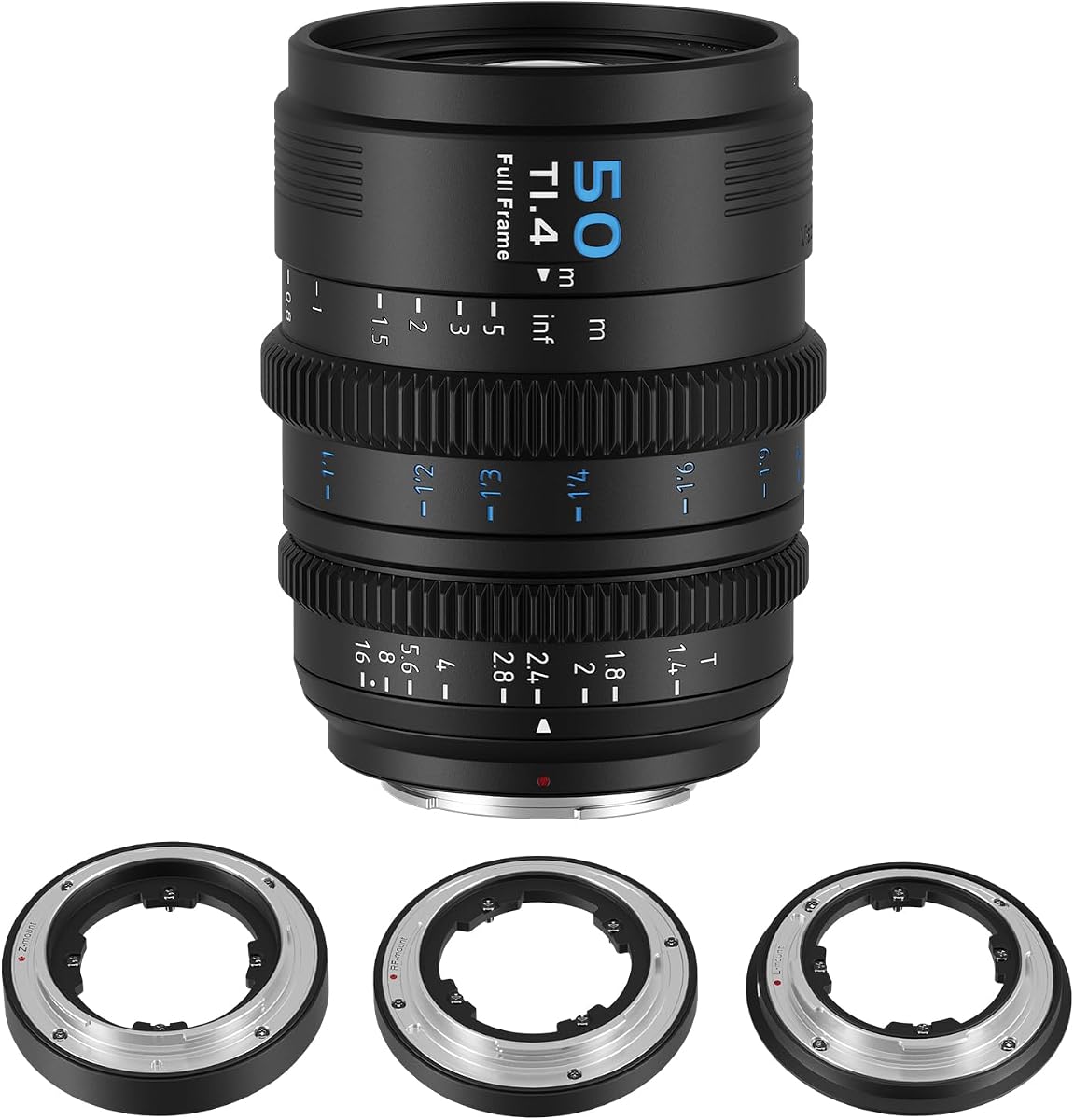


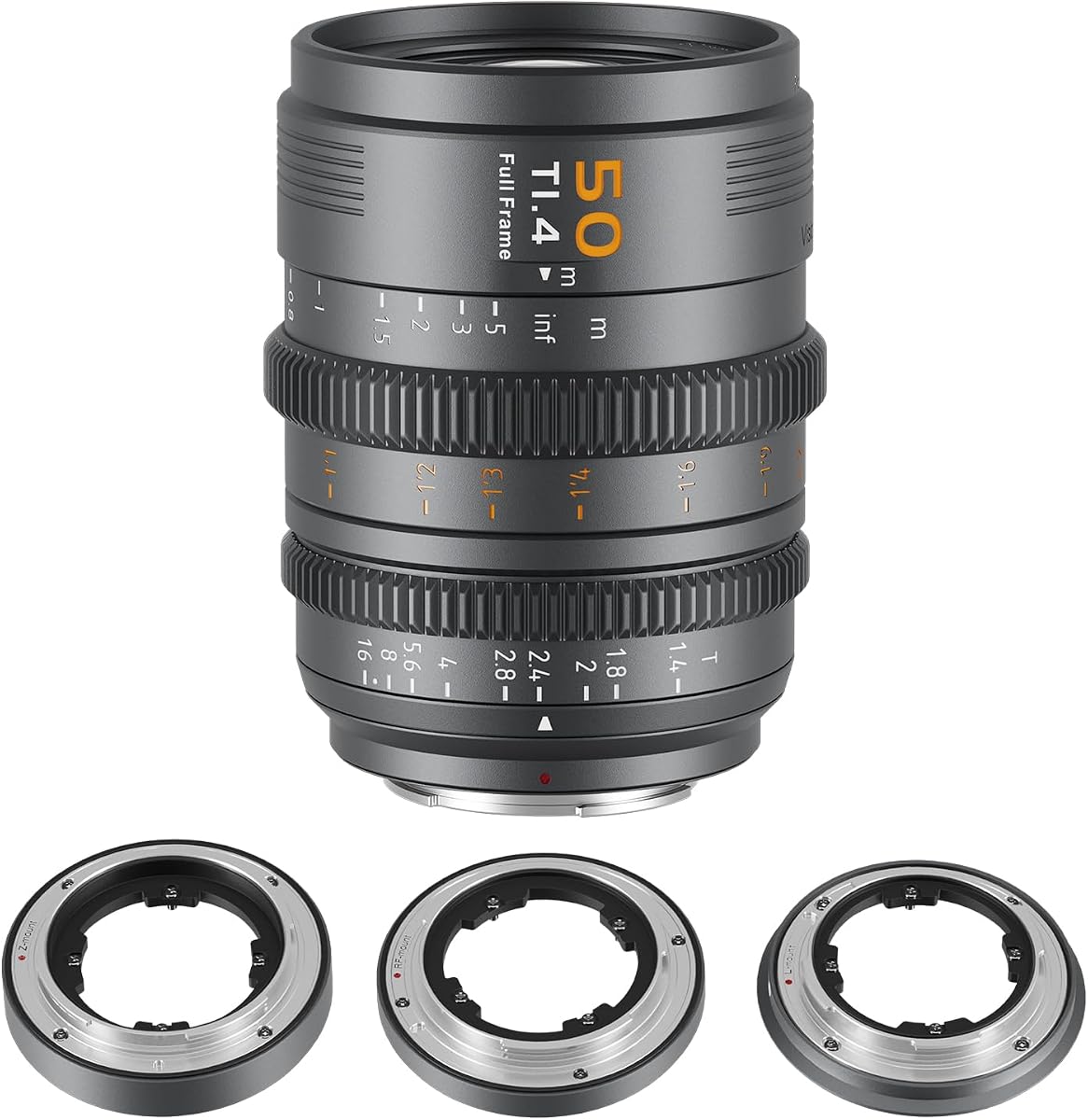
The SIRUI VP-1 Vision Prime 1 stands out as a top contender with its perfect rating and advanced optical design tailored for modern 8K storytelling. It delivers outstanding performance through aspherical elements and extra-low dispersion glass that ensure crystal clear images across the entire frame.
We may earn a commission when you buy through this link, at no additional cost to you.
Its T1.4 aperture allows for exceptional low light capabilities while maintaining beautiful subject separation with dreamy bokeh effects. The interchangeable mount system provides incredible flexibility for filmmakers who switch between Sony, Canon, Nikon, or Panasonic systems regularly without needing multiple lenses.
While the price reflects its premium status, the consistent design across the set ensures easy swapping during production. The 600g weight makes it manageable for handheld work though budget conscious shooters might find it costly initially.
Professional filmmakers seeking high resolution performance should prioritize this lens for its reliability and optical excellence. Its combination of sharpness, light gathering, and modular design makes it an essential tool for serious video production workflows today.
The integration of aspherical and HRI glass minimizes chromatic aberrations ensuring clean images even when shot wide open at maximum aperture.
User interchangeable RF, Z, and L mounts allow seamless transitions between camera ecosystems without compromising build integrity or optical performance.
We may earn a commission when you buy through this link, at no additional cost to you.
This Rokinon DS lens offers excellent value for portrait and narrative work with its T1.5 aperture and classic 85mm focal length. The DS line ensures color matching and unified gear positions across the entire lens set for consistent production workflows.
We may earn a commission when you buy through this link, at no additional cost to you.
Its 8 blade iris creates attractive bokeh that highlights subjects beautifully against soft backgrounds. Full frame coverage makes it ideal for standard sensors though APS-C users experience a tighter field of view that suits tighter framing needs.
The manual focus design is reliable for controlled filming though it requires skill to pull focus smoothly. The consistent gear positions allow easy mounting of follow focus systems without recalibration during setup.
Filmmakers on a budget looking for cinematic quality should consider this lens for its optical performance and workflow friendly features. It strikes a practical balance between cost and professional usability for various shooting scenarios.
The 85mm focal length combined with T1.5 aperture provides natural compression and shallow depth of field perfect for character focused scenes.
Unified aperture positions and color matching across DS lenses simplify multi lens setups ensuring visual consistency throughout your production.
We may earn a commission when you buy through this link, at no additional cost to you.
This comprehensive kit includes four essential focal lengths ideal for building a versatile cinematic toolkit without purchasing lenses individually. The DS line offers de-clicked aperture rings and consistent gear positions for smooth manual operation on any camera setup.
We may earn a commission when you buy through this link, at no additional cost to you.
Full frame coverage ensures optimal performance on standard sensors while the T1.5 aperture handles low light environments effectively. Each lens in the set maintains matching color and physical dimensions to streamline production logistics and storage.
While the kit represents a larger investment than single lenses it delivers significant value for producers needing multiple options quickly. The manual focus and aperture controls require practice but allow precise creative control over exposure and focus transitions.
Producers planning varied shoots should prioritize this kit for its completeness and workflow efficiency. It provides a solid foundation for any narrative project needing flexibility across different framing scenarios and lighting conditions.
The 24mm through 85mm spread covers wide angles to tight portraits providing all essential tools for most cinematic storytelling needs.
Smooth aperture transitions are possible without clicks which enhances video exposure control during recording sessions with varying light.
We may earn a commission when you buy through this link, at no additional cost to you.
This 35mm lens serves as a versatile workhorse for environmental storytelling and dynamic scenes with its wide 63.1 degree angle of view. Its T1.5 aperture enables shooting in dimly lit locations while maintaining sharpness across the frame.
We may earn a commission when you buy through this link, at no additional cost to you.
DS line compatibility ensures this lens matches other Rokinon optics for consistent color and mechanical design. Full frame coverage makes it suitable for modern high resolution cameras delivering clear details for the edges.
The manual focus ring provides smooth control though it requires skill to maintain accuracy during motion. The 77mm filter size is common but may add bulk when using standard protection or variable neutral density filters.
Filmmakers needing a reliable wide angle option should choose this lens for its balance of performance and price. It is ideal for interviews and interior shots where light levels vary throughout the shoot.
The 35mm focal length offers a natural perspective for documenting scenes and capturing subject context without excessive distortion.
Matching gear and color positions across DS lenses simplify workflow when switching lenses during active production schedules.
We may earn a commission when you buy through this link, at no additional cost to you.
The Night Walker series delivers exceptional value with a T1.2 aperture that captures pure low noise footage in dark settings. Its lightweight design makes it ideal for gimbal or handheld shooting without excessive strain over long periods.
We may earn a commission when you buy through this link, at no additional cost to you.
At just 500 grams this lens ensures stable operation on compact mirrorless systems. The bright aperture creates pleasing bokeh and strong subject separation even when shooting wide open for maximum light intake.
While it covers only S35 sensors which limits full frame versatility it excels in documentary and portrait applications. The premium build and aesthetic finish add professional appeal to smaller production setups needing reliable tools.
Budget conscious creators should consider this lens for its impressive low light performance and portability. It proves that high quality optics are accessible without requiring premium investment in expensive full frame alternatives.
The T1.2 aperture allows for cleaner images in challenging lighting without raising ISO to noisy levels.
The lightweight aluminum housing keeps the overall rig small and manageable for travel and handheld work.
We may earn a commission when you buy through this link, at no additional cost to you.
This 24mm lens provides a versatile wide angle perspective ideal for landscapes and environmental storytelling. Its T1.2 aperture ensures strong light intake for night shoots or interiors where natural light is limited.
We may earn a commission when you buy through this link, at no additional cost to you.
With a close focus of 0.3 meters you can capture intimate details while maintaining broad framing for context. The RF mount offers direct compatibility with modern Canon systems and RED cameras for seamless integration.
The manual focus rotation allows smooth repeatable transitions during recording sessions. While limited to S35 format its optical quality remains sharp across the frame for compelling compositions.
Filmmakers prioritizing wide framing should select this lens for its flexibility and strong low light capabilities. It serves well for establishing shots and creative close-ups in varied shooting environments.
The ability to focus as close as 0.3 meters enables unique compositions that blend subject detail with background context.
Compatible with multiple Canon RF bodies and RED cameras this lens adapts easily to different production setups.
We may earn a commission when you buy through this link, at no additional cost to you.
This prime lens offers flexible mounting options allowing users to switch between systems without buying multiple lenses. Its T1.4 aperture provides a good balance between light intake and sharpness for various shooting scenarios.
We may earn a commission when you buy through this link, at no additional cost to you.
Full frame coverage ensures you utilize the entire sensor for maximum resolution and detail. The interchangeable mount system adds convenience for those transitioning between camera brands for different projects.
While the rating suggests average performance its build quality and optics remain strong. The consistent design with other Vision Prime lenses simplifies kit management and gear consistency during production.
Filmmakers needing multi camera flexibility should consider this lens for its modularity. It is suitable for those seeking practical performance without committing to a single mount ecosystem permanently.
Pre-installed E mount with user interchangeable RF and Z mounts provides seamless transition between Sony and other systems.
Weighing only 600 grams it remains stable on gimbals and handheld rigs for extended shooting sessions.
We may earn a commission when you buy through this link, at no additional cost to you.
This lens brings the Night Walker optical strengths to M4/3 cameras offering exceptional low light performance and compact design. Its T1.2 aperture allows for clean images with minimal noise even in challenging conditions.
We may earn a commission when you buy through this link, at no additional cost to you.
The 270 degree focus rotation provides precise manual control for cinematic shots. Weighing just 500 grams it is ideal for lightweight travel setups and handheld recording.
Users of Panasonic or Blackmagic cameras will appreciate its dedicated compatibility and build quality. The rating reflects high user satisfaction regarding sharpness and handling for production work.
M4/3 users needing a wide prime should prioritize this lens for its aperture and portability. It is a strong choice for documentary and adventure filming where gear weight matters significantly.
The T1.2 aperture minimizes the need for high ISO settings ensuring cleaner footage in dark environments.
Lightweight construction makes this lens easy to carry on long shoots without adding undue burden to the rig.
We may earn a commission when you buy through this link, at no additional cost to you.
This 85mm prime offers strong portrait capabilities with a T1.5 aperture and wide range to T34 for precise depth control. Its 9 blades create smooth bokeh ideal for isolating subjects in narrative contexts.
We may earn a commission when you buy through this link, at no additional cost to you.
The optical construction uses multi-coated glass to reduce flare and maintain clarity. The angle of view suits medium distance shots and close-ups effectively without excessive distortion.
DSX specific compatibility may require careful checking before purchase. The manual focus design provides reliability but demands skill for consistent performance in motion.
Portrait filmmakers should choose this lens for its optical quality and aperture range. It provides a practical solution for those needing high speed optics at an accessible price point.
Ultra multi-coated glass helps manage flare and maintain contrast in challenging lighting conditions.
The wide aperture range allows precise control over depth of field to suit various subject distances and compositions.
We may earn a commission when you buy through this link, at no additional cost to you.
This parfocal zoom maintains focus across its entire range delivering smooth operational transitions during live recordings. Its T2.8 aperture ensures bright performance across the 50 to 125mm focal span for versatility.
We may earn a commission when you buy through this link, at no additional cost to you.
The 16-slat iris creates clean circular bokeh even when stopped down. Minimal breathing is crucial for professional workflows where focus shifts must remain subtle and controlled.
PL and EF mount compatibility broadens its utility across cinema and broadcast environments. While heavier than primes it is built to withstand demanding production schedules with consistent optical output.
Professional productions needing a versatile zoom should prioritize this lens. It delivers cinema grade performance for live events and narrative work requiring reliable and smooth operation.
Maintaining focus throughout the zoom range allows uninterrupted shooting without refocusing during transitions.
Minimal focus breathing ensures clean visual transitions when adjusting focus during critical recording moments.
We may earn a commission when you buy through this link, at no additional cost to you.
Choosing the right cine lens requires balancing optical quality, mount compatibility, and budget constraints to match your production needs.
Always verify your camera's native mount or adapter support before purchasing. Many cine lenses use PL or EF mounts which may require adapters for mirrorless systems.
Selecting a lens with native or interchangeable mounts ensures seamless integration and eliminates mechanical issues during filming.
Faster apertures like T1.4 or T1.2 enable shooting in low light without excessive ISO. Consider your typical lighting conditions and whether you need shallow depth of field.
Brighter lenses generally cost more but offer greater creative control and better performance in dim environments.
Full frame lenses cover the entire sensor while S35 lenses cover cropped formats. Matching coverage to your sensor size prevents vignetting and maximizes resolution.
Ensure the lens format aligns with your camera's sensor dimensions for optimal image quality and field of view.
Metal bodies and gear rings provide durability and workflow efficiency. Look for lenses designed for long term use with standardized accessories.
Sturdy construction protects optics and ensures consistent mechanical performance during demanding productions.
Choose focal lengths based on your shooting style. Wide angles suit environmental shots while longer primes work for portraits and close-ups.
Consider acquiring multiple focal lengths to cover a broader range of creative needs and framing options.
Advanced coatings and elements reduce flare and aberrations. High resolution sensors demand lenses that deliver sharpness across the frame.
Invest in optics designed for high resolution to avoid soft images or chromatic issues on modern cameras.
Smooth focus rings with consistent throw are essential for professional operation. Manual focus remains standard in cine lenses for precise control.
Test focus feel and gear compatibility with your accessories before committing to ensure reliable manual operation.
Lighter lenses reduce strain during handheld or gimbal work. Compact optics simplify transport for location shoots and documentary production.
Balance optical performance with portability to match your typical shooting style and equipment needs.
Mount the lens securely and calibrate focus to your camera system before shooting. Use follow focus tools for smooth manual operation and consistent results during recording.
Protect optics with quality filters and keep caps on when not in use. Store lenses in a dry and dust free environment to prevent internal damage or fungus.
Clean glass gently with microfiber cloths to avoid scratches and maintain optical clarity. Regular inspection ensures the lens remains in top condition for professional video work.
Cine lenses offer consistent optical characteristics across the zoom range and smooth manual focus controls. They feature de-clicked apertures and standardized gear positions for seamless production workflows and precise framing.
Yes many cine lenses can be adapted for mirrorless systems with the appropriate mount adapter. Native mount options like E or RF ensure direct compatibility without extra adapters for seamless integration.
Parfocal lenses maintain focus while zooming making them ideal for live shoots. This feature is essential for continuous recording without needing to refocus during focal changes.
Use a soft microfiber cloth and lens solution to remove dust gently. Avoid harsh chemicals or rough materials that could scratch the delicate coatings on the optics.
Larger apertures like T1.2 or T1.4 allow more light to reach the sensor reducing the need for high ISO settings. These speeds are ideal for dim environments and natural lighting scenarios.
Cine lenses can capture sharp photos but lack autofocus and aperture clicks found on photo optics. They are best suited for video but work for controlled stills with manual exposure.
Cine lenses prioritize precise mechanical build and consistent optical performance across multiple units. These factors increase cost compared to photo optics which focus on autofocus speed and compactness.
Focus breathing occurs when the focal length shifts during focusing affecting framing. Cine lenses minimize this effect to maintain consistent composition during focus transitions.
Our top picks highlight exceptional optical performance and workflow features for diverse production needs. The SIRUI VP-1 Vision Prime and Rokinon DS series offer strong value while the DZOFILM Pictor delivers professional zoom capabilities.
Prioritize optical quality and mount compatibility to ensure seamless integration with your existing camera setup. Consider lens weight and build durability for the demands of your typical shoots.
Always check current availability and pricing as models and stock change over time. Selecting the right lens today can elevate your visual storytelling and production quality significantly.