
Compact Fluorescent CFL 45W
4.1Editor score
45 Watt power output
5500K daylight spectrum
Standard household fixture fit
This guide compares the top CFL grow bulbs for indoor gardening, analyzing spectrum, wattage, and efficiency to help you choose the right light.
Finding the right light for your indoor garden is crucial for healthy plant growth. CFL grow bulbs offer an affordable and energy-efficient alternative to traditional lighting systems, making them accessible for hobbyists and professionals alike.
We evaluated ten top-rated models based on spectrum quality, energy efficiency, and user feedback. Our comparison covers various wattages and color temperatures to ensure you find the perfect match for your specific plant needs.
Each pick highlights key features and potential drawbacks to help you make an informed decision. Please note that prices and availability change frequently, so verify current details before purchasing your next grow light.
4.1Editor score

3.6Editor score

5.0Editor score
The following table provides a side-by-side overview of all ten products. Compare specifications like wattage, color temperature, and key features to identify the best fit for your indoor gardening setup quickly.

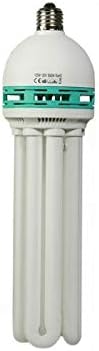
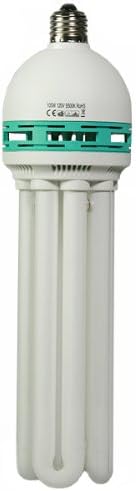


This 60-watt bulb offers a balanced 5500K spectrum ideal for vegetative growth. While the rating is moderate, it remains a popular choice for small setups due to its low price point and energy efficiency.
We may earn a commission when you buy through this link, at no additional cost to you.
The full spectrum output ensures plants receive the necessary blue light for strong stems and leaf development. It acts as an effective 250-watt equivalent, providing significant brightness without consuming excessive power.
Users note that while it performs well for seedlings, it may lack intensity for flowering stages. The build quality is standard, so handling requires care to avoid breaking the glass tube.
For hobbyists starting an indoor garden on a tight budget, this bulb provides a solid foundation. It is best suited for supplemental lighting rather than as a sole source for large crops.
Consuming only 60 watts, this bulb keeps electricity bills low while delivering ample light for compact indoor gardening setups.
The 5500K color temperature closely mimics daylight, promoting healthy leaf expansion and strong root systems in young plants.
We may earn a commission when you buy through this link, at no additional cost to you.
The Agrobrite FLC26D is an excellent choice for small seedling trays or herb gardens. With 26 watts of power, it delivers 1600 lumens, making it highly efficient for its size and energy consumption.
We may earn a commission when you buy through this link, at no additional cost to you.
Its 6400K color temperature leans towards cool white, which is perfect for keeping plants compact and bushy. The spiral design maximizes surface area, ensuring light is distributed evenly across the canopy.
While powerful for its wattage, a single bulb may not cover a large area effectively. Growers often use multiple units to achieve adequate intensity for larger plants or flowering stages.
This bulb is ideal for those prioritizing energy savings and longevity. With a lifespan averaging 10,000 hours, it reduces the frequency of replacements, offering long-term value for indoor gardeners.
At just 26 watts, this bulb minimizes electricity costs, making it accessible for daily use without impacting monthly utility bills significantly.
The cool white spectrum prevents stretching, ensuring young plants develop strong roots and sturdy stems before transplanting to larger lights.
We may earn a commission when you buy through this link, at no additional cost to you.
This 105-watt bulb aims to provide high power in a compact form. It claims to replace a 400-watt regular bulb, offering significant light intensity for indoor gardening tasks without complex fixtures.
We may earn a commission when you buy through this link, at no additional cost to you.
The 5500K daylight spectrum is well-suited for general plant growth. However, user feedback suggests inconsistency in performance, with some reports of early failure or insufficient brightness.
While the concept of a high-wattage CFL is appealing for those avoiding expensive HID systems, the actual reliability may vary. It is essential to manage expectations regarding long-term durability.
For those seeking a budget-friendly high-output option, this bulb offers an intriguing proposition. However, buyers should consider reviews carefully and potentially invest in more established brands for critical growth stages.
Delivering 105 watts, this bulb attempts to bridge the gap between standard CFLs and high-intensity lighting solutions for serious indoor growers.
The 5500K output mimics natural daylight, supporting photosynthesis across various plant types and growth cycles effectively.
We may earn a commission when you buy through this link, at no additional cost to you.
This 105-watt bulb provides a full spectrum of light that closely resembles natural daylight. The pure white output helps maintain realistic growing conditions indoors, supporting robust plant development.
We may earn a commission when you buy through this link, at no additional cost to you.
Its design allows for flexible positioning, whether mounted horizontally or vertically. This adaptability makes it suitable for various fixture types, providing growers with more setup options for their gardens.
Heat generation is minimal compared to traditional bulbs, which protects delicate foliage from burn. This feature is particularly valuable for indoor setups where temperature control can be challenging.
Ideal for medium-sized indoor gardens, this bulb offers a balance of power and efficiency. It is a strong candidate for those looking to upgrade from lower wattage options without moving to complex systems.
The ability to mount horizontally or vertically allows growers to optimize light coverage for different plant arrangements and space constraints.
Minimal heat emission ensures that sensitive plants remain safe from thermal damage, allowing closer proximity for maximum light intensity.
We may earn a commission when you buy through this link, at no additional cost to you.
Although an LED, this bulb competes in the grow light market with impressive efficiency. It delivers 1000 lumens using only 11 watts, offering a 90% reduction in energy usage compared to incandescent alternatives.
We may earn a commission when you buy through this link, at no additional cost to you.
The 4000K color temperature provides a natural white light that looks pleasing in home environments. Unlike harsh purple grow lights, this blends seamlessly with living spaces while supporting full plant development.
Built with aluminum and plastic for better heat dissipation, it ensures longevity. With a lifespan of up to 25,000 hours, it offers decades of service, reducing waste and replacement frequency significantly.
For those prioritizing modern efficiency and ease of use, this is a top contender. While not a CFL, its performance and features make it a viable alternative for indoor gardening enthusiasts.
The natural white light ensures your indoor garden does not look like a lab, blending well with standard home decor without visual distractions.
High transmission efficiency means more light reaches the plants, optimizing photosynthesis and growth rates for the energy consumed.
We may earn a commission when you buy through this link, at no additional cost to you.
With a 200-watt output, this bulb delivers professional-grade performance for serious indoor gardens. It provides the intensity needed for demanding plants, making it a top choice for hydroponics enthusiasts.
We may earn a commission when you buy through this link, at no additional cost to you.
The 6500K color temperature is ideal for vegetative growth, promoting compact and healthy structures. Its high lumen output ensures that plants receive ample light even at greater distances from the fixture.
Users praise its reliability and consistent output. Unlike lower-end bulbs, this model maintains performance over time, offering peace of mind for those relying on it for critical growth stages.
Ideal for commercial setups or advanced hobbyists, this bulb justifies its higher cost with performance. It is the ultimate choice for those seeking the best CFL grow light available on the market.
Designed for professional use, this bulb offers consistent performance and durability that exceeds standard consumer-grade grow light options.
The 200-watt power ensures sufficient light intensity for larger plants or dense canopies, preventing stretching and promoting robust growth.
We may earn a commission when you buy through this link, at no additional cost to you.
This 105-watt bulb delivers 5800 lumens, providing exceptional brightness for grow spaces. Its high CRI ensures colors appear natural, making it useful for both growing and photography tasks.
We may earn a commission when you buy through this link, at no additional cost to you.
The 5500K spectrum offers a balanced daylight look that supports plant health. It runs quietly and without flicker, ensuring no interference with video recordings or sensitive audio environments.
While primarily marketed for photography, its intensity makes it effective for plant growth. The spiral design covers a wide area, distributing light evenly to support uniform development across the canopy.
For those needing a versatile light source that grows and illuminates, this bulb is a strong option. It balances power and quality, making it a favorite for multi-purpose indoor setups.
The lack of flicker ensures stable light for both plants and camera sensors, eliminating interference in videos and photos taken under the light.
With a high CRI, the light accurately renders plant colors, allowing growers to easily spot nutrient deficiencies or health issues quickly.
We may earn a commission when you buy through this link, at no additional cost to you.
As one of the most affordable options, this 45-watt bulb is perfect for beginners or small seedling setups. It turns on instantly, saving the wait time associated with some other light technologies.
We may earn a commission when you buy through this link, at no additional cost to you.
The 5500K daylight spectrum is standard for vegetative growth, providing the blue light needed for healthy leaf development. Its compact size allows it to fit into almost any standard household fixture.
While it may not provide enough intensity for mature flowering plants, it serves well as a supplemental light. It is easy to install and requires no special fixtures, making setup incredibly simple.
For those just starting indoor gardening, this bulb offers a low-risk entry point. It provides enough light for small herbs or cuttings while keeping costs and complexity to an absolute minimum.
No warm-up time is required, allowing lights to be turned on and off quickly to maintain precise photoperiods for plant needs.
The standard base means you can screw this bulb into existing lamps without needing to buy adapters or specialized grow fixtures.
We may earn a commission when you buy through this link, at no additional cost to you.
Delivering 4000 lumens, this bulb provides a high level of brightness suitable for larger growing areas. It is UL Listed, ensuring safety standards are met for home or commercial use.
We may earn a commission when you buy through this link, at no additional cost to you.
The 4100K cool white spectrum is effective for general growth and photosynthesis. It replaces standard 300-watt incandescent bulbs, saving significant energy while delivering comparable light intensity.
Its T5 spiral design ensures the light spreads widely. This feature helps in reaching plants in various directions, reducing shadows and promoting uniform growth across the entire canopy.
Ideal for users needing a balance of safety and performance, this bulb is reliable. It offers energy-efficient lighting that fits well into standard medium base sockets without requiring complex wiring.
Being UL Listed provides assurance of electrical safety, reducing risks of fire or malfunction during long-term indoor gardening operations.
Replacing 300 watts with 65 watts significantly cuts energy consumption, making it a cost-effective choice for long-term use.
We may earn a commission when you buy through this link, at no additional cost to you.
This bulb is designed specifically for 4-pin quad base fixtures, making it ideal for desktop plant lamps. It offers a full spectrum of daylight, ensuring vibrant lighting for small indoor setups.
We may earn a commission when you buy through this link, at no additional cost to you.
The 27-watt output is moderate but sufficient for small herbs or seedlings. Manufactured in an EPA registered establishment, it meets quality standards for safety and performance.
While limited to specific fixtures, its precision ensures a secure fit without wobbling. This stability helps maintain consistent light distance, which is crucial for proper plant growth.
For owners of specific desktop grow lights, this is a reliable replacement option. It balances quality and functionality, ensuring your existing equipment continues to perform effectively without issues.
The 4-pin quad design ensures a tight connection, reducing the risk of flickering or power loss during operation.
Its compact size and moderate power make it perfect for small desktop grow lights that fit on desks or shelves without bulk.
We may earn a commission when you buy through this link, at no additional cost to you.
Selecting the right CFL grow bulb requires understanding your plants' needs and your setup's constraints. This guide explores key factors to help you make the best choice.
Wattage determines how much energy the bulb consumes and how much light it produces. Higher wattage bulbs like 105W offer more intensity, suitable for larger plants, while lower wattage options like 26W are better for seedlings.
Look for a wattage that matches your space size and plant requirements to avoid under-lighting or excessive heat generation.
Color temperature affects plant growth stages. Lower temperatures around 4000K are good for general growth, while 5500K to 6500K are ideal for vegetative growth due to higher blue light content.
Choose a color temperature based on whether your plants need vegetative support or just general illumination.
Lumens measure the visible light emitted by the bulb. For grow lights, higher lumens ensure plants receive sufficient light for photosynthesis, especially in indoor environments with limited natural sunlight.
Prioritize bulbs with high lumen ratings to ensure robust plant health and prevent stretching.
Ensure the bulb base matches your fixture. Standard E26 bases fit most household fixtures, while 4-pin quad bases require specific grow lamps. Compatibility is crucial for easy installation.
Check your fixture's specifications to confirm the correct base type before purchasing.
CFL bulbs are generally energy-efficient, but some models offer better efficiency. A longer lifespan reduces replacement frequency and costs. Look for bulbs rated for 10,000 hours or more.
Opt for models that save energy and last long to reduce long-term operational costs.
Heat can damage plants if the bulb gets too hot. CFLs run cooler than incandescent bulbs, but ensure your fixture allows for proper airflow. Horizontal or vertical mounting options add flexibility.
Select bulbs that stay cool and fit your fixture orientation to protect sensitive plant foliage.
Prices vary significantly. Entry-level bulbs like 45W are cheap but less powerful, while premium 200W options cost more but deliver higher intensity. Balance cost with performance needs.
Invest in the best value option that meets your specific gardening requirements without overspending.
Reputable brands often provide better quality and safety. Look for UL listing or EPA registration to ensure the bulb is safe for home or commercial use.
Prioritize safety certifications to avoid electrical hazards and ensure consistent performance over time.
Install the bulb in a compatible fixture and ensure it is securely screwed in. Position the light 6 to 12 inches above the plants to avoid heat stress while maximizing light exposure.
Run the bulbs for 14 to 16 hours daily during vegetative growth. Use a timer to maintain a consistent light cycle, which is crucial for healthy plant development and flowering.
Clean the bulb gently with a dry cloth to remove dust that blocks light. Avoid using water or chemicals, and replace the bulb after its rated lifespan to maintain optimal light intensity.
CFL bulbs are more affordable upfront and easier to install, making them great for beginners. However, LED lights generally offer better energy efficiency and longer lifespans. If you prioritize cost and simplicity, CFLs are a good choice.
A color temperature of 5500K to 6500K is ideal for vegetative growth as it mimics daylight and promotes healthy leaf development. For flowering, you might look for bulbs with more red spectrum, though CFLs are primarily cool white.
It depends on your space size and light intensity needs. One 60W bulb may cover a small area, but larger gardens require multiple bulbs to ensure even coverage. Aim for about 10 to 20 watts per square foot of canopy.
Regular CFL bulbs are not optimized for plant growth. Grow-specific CFLs have a spectrum that supports photosynthesis, whereas regular bulbs may lack the necessary blue or red light for optimal plant health.
CFL bulbs produce significantly less heat than incandescent or HID bulbs, but they still emit some warmth. Place them far enough from plants to prevent burns, typically 6 to 12 inches away.
Most CFL grow bulbs last between 10,000 to 15,000 hours. However, their light output may degrade over time. Replacing them annually or when you notice dimming ensures consistent growth results.
Our top picks include the InterLux CFL Lamp-200W for professional needs, the Agrobrite FLC26D for budget efficiency, and the Briignite Grow Light Bulbs for modern LED alternatives. Each offers unique benefits for different grower profiles.
Prioritize color temperature and wattage based on your plants' growth stages. Ensure compatibility with your fixtures and consider energy efficiency to maximize value over time. Proper installation is key to success.
Prices and availability fluctuate, so always verify the latest details on Amazon before purchasing. Use our comparison table and buying guide to make an informed decision that suits your indoor garden needs.