
Zopsc 2 Pack DO Dissolved Oxygen Tester for Smartphones
4.0Editor score
Wireless smartphone connectivity
Floating waterproof design
Extended battery life
This guide compares the top dissolved oxygen sensors 2 for aquaculture, labs, and IoT. We review features, accuracy, and ease of use to help you choose.
Choosing the right dissolved oxygen sensor is critical for maintaining water quality in aquaculture, laboratories, and environmental monitoring. These devices measure the amount of oxygen dissolved in water, which is vital for aquatic life and various industrial processes.
We evaluated ten top-rated models based on accuracy, durability, ease of calibration, and connectivity features. Our analysis covers galvanic, polarographic, and optical technologies to ensure you find a sensor that fits your specific application needs and budget constraints effectively.
Each pick highlights key strengths and potential limitations to help you make an informed decision. Please note that product availability and pricing can change frequently, so verify current details before making your final purchase to ensure you get the best value.
4.0Editor score
4.4Editor score

4.5Editor score
This side-by-side comparison highlights the key specifications and features of the top ten dissolved oxygen sensors available today. Reviewing these details helps you quickly identify which model aligns best with your specific testing requirements and operational environment.



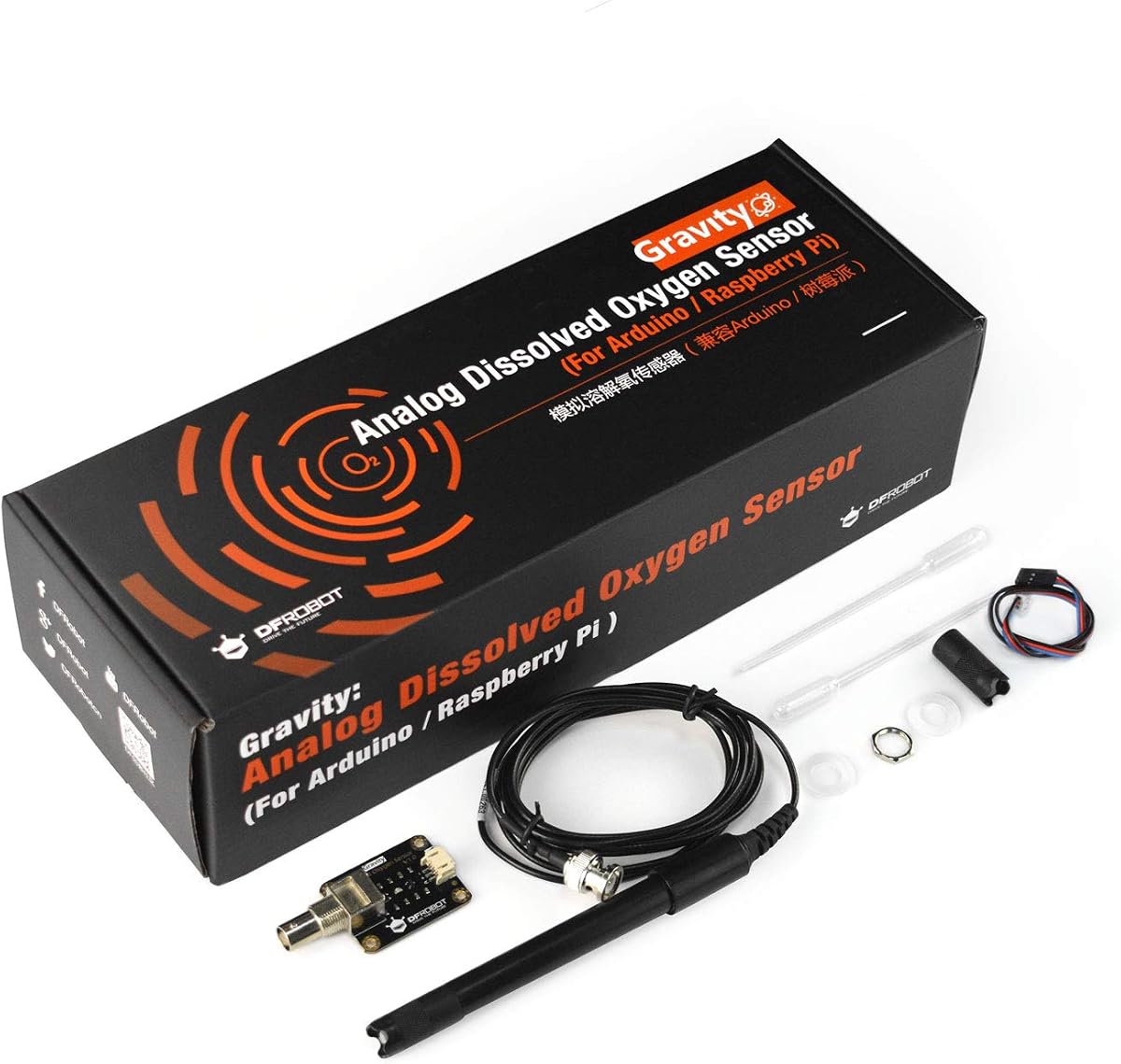
The Gravity Analog Dissolved Oxygen Sensor Kit stands out as a top choice for hobbyists and professionals building IoT water quality systems. With a 4.4 rating, this kit offers a galvanic probe that eliminates the need for polarization, providing instant readings without waiting periods.
We may earn a commission when you buy through this link, at no additional cost to you.
Its hardware filtering ensures stable analog signals without complex software processing, making it easy to integrate with ESP32 or Raspberry Pi projects. The kit includes a spare membrane cap, reducing long-term costs when consumables need replacement.
While the filling solution is not included due to shipping restrictions, it is straightforward to prepare locally. Users must ensure they have the correct NaOH solution before starting measurements to avoid device inactivity.
This kit is ideal for aquaculture monitoring, lab research, and educational projects requiring precise dissolved oxygen data. Its user-friendly design and open-source support make it a reliable investment for anyone serious about water quality tracking.
The galvanic probe technology allows for immediate measurements without pre-heating, saving valuable time in intermittent monitoring scenarios.
Replaceable membrane caps and filling solutions extend the sensor life, lowering the overall cost of ownership compared to non-modular probes.
We may earn a commission when you buy through this link, at no additional cost to you.
The LDO Dissolved Oxygen Sensor 9020000SLU is designed for demanding industrial and laboratory environments where long cable runs are necessary. It delivers accurate and consistent results, ensuring dependable water analysis even in challenging conditions.
We may earn a commission when you buy through this link, at no additional cost to you.
Built with materials focused on durability, this sensor simplifies setup and reduces maintenance costs over time. The 10-meter probe allows for flexible installation in large tanks or remote water bodies.
While specific technical parameters are not detailed in the listing, the product emphasizes reliability and efficiency. This makes it a solid choice for facilities needing stable performance without frequent recalibration.
Ideal for wastewater treatment or large-scale aquaculture, this sensor balances ease of use with robust construction. Users seeking a reliable long-term monitoring solution will appreciate its consistent output and low operational friction.
The 10-meter probe enables measurements in hard-to-reach areas, expanding the sensor utility beyond immediate proximity to the control unit.
Constructed for long-term durability, this sensor minimizes downtime and maintenance efforts in continuous operation environments.
We may earn a commission when you buy through this link, at no additional cost to you.
The YSI-605203 Pro Series Polarographic Dissolved Oxygen Sensor is a reliable tool for laboratory professionals requiring high precision. With a 4.6 rating, this sensor ensures accurate readings essential for scientific research and quality control processes.
We may earn a commission when you buy through this link, at no additional cost to you.
Its polarographic technology provides stable results, though it may require more frequent maintenance than galvanic options. The compact package dimensions and lightweight design make it easy to store and transport within lab facilities.
While the listing details are minimal, YSI is a respected brand known for quality water monitoring instruments. Users benefit from consistent performance that aligns with professional standards.
This sensor is best suited for controlled laboratory environments where accuracy is paramount. If you need a trusted polarographic option for standard testing protocols, this model delivers reliable results day after day.
Designed for professional use, this sensor meets the rigorous demands of laboratory testing and research applications.
The small footprint allows for easy storage in limited bench space, making it practical for busy labs.
We may earn a commission when you buy through this link, at no additional cost to you.
This Dissolved Oxygen Meter offers a complete kit with an 11.48-foot cable, ideal for aquariums and tanks requiring deep-water testing. It features auto temperature compensation and stores up to 99 readings, supporting detailed tracking over time.
We may earn a commission when you buy through this link, at no additional cost to you.
The meter measures dissolved oxygen, temperature, salinity, and barometric pressure, providing a holistic view of water quality. Its durable design and carrying case make it suitable for field use and educational demonstrations.
While it requires some manual input for salinity compensation, the interface is user-friendly for those familiar with water testing. The included membranes and electrolyte ensure immediate usability out of the box.
Aquarists and educators will find this kit valuable for consistent monitoring without needing separate tools. Its versatility and comprehensive accessory package offer strong value for maintaining healthy aquatic environments.
Beyond oxygen levels, it measures temperature and salinity, giving users a complete picture of tank conditions.
Storing up to 99 readings helps track trends and verify water quality changes over days or weeks.
We may earn a commission when you buy through this link, at no additional cost to you.
The YSI-605202 Pro Series Galvanic Dissolved Oxygen Sensor earns a 4.8 rating for its ease of use and reliability. It features a user-replaceable sensor design that requires no tools, simplifying maintenance tasks significantly.
We may earn a commission when you buy through this link, at no additional cost to you.
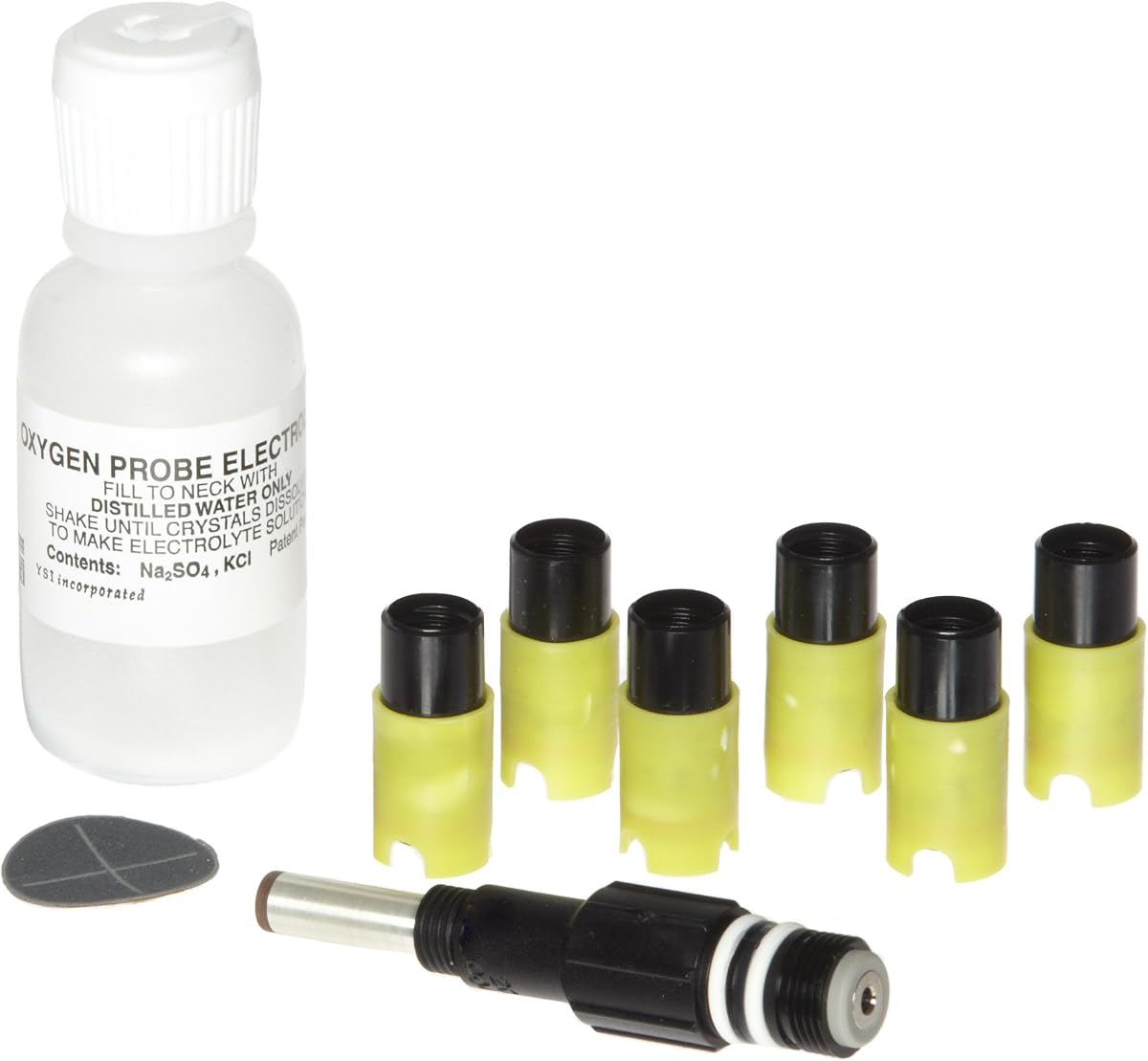
With six membrane caps and solution included, you can keep the sensor running without immediate additional purchases. The screw-on cap design makes membrane changes quick and straightforward, reducing downtime.
Galvanic technology generally offers stability without the need for polarization, though periodic solution changes remain necessary. This balance of performance and convenience makes it a favorite among professionals.
For labs or aquaculture facilities needing dependable readings with minimal fuss, this sensor is an excellent choice. Its high rating reflects user satisfaction with its consistent performance and easy upkeep.
The screw-on cap design allows anyone to replace membranes quickly without specialized tools or training.
Starting with six caps and solution reduces initial costs and ensures you are ready to test immediately.
We may earn a commission when you buy through this link, at no additional cost to you.
The Zopsc 2 Pack DO Tester pairs wirelessly with smartphones, offering a modern approach to water quality monitoring. Its floating waterproof design ensures safe use in wet environments, protecting internal circuits from accidental submersion.
We may earn a commission when you buy through this link, at no additional cost to you.
With a 500mAh battery, it supports up to five days of continuous operation, ideal for extended field sessions. The multilingual app interface makes it accessible to international users, supporting eight languages for broader utility.
While it relies on a companion app for full functionality, this connectivity simplifies data logging and trend tracking over time. Users can export records via email, streamlining reporting for aquaculture or research purposes.
Budget-conscious hobbyists will appreciate its balance of features and affordability. For casual water testing where smartphone integration is a bonus, this tester provides reliable performance without complex wiring or expensive hardware.
Wireless pairing allows real-time viewing and data management directly on mobile devices, increasing testing convenience.
The sealed ABS housing keeps the device afloat, preventing loss or damage in open water testing scenarios.
We may earn a commission when you buy through this link, at no additional cost to you.
The YSI DO200 Kit EcoSense DO 200 is a portable solution designed for field technicians and educators needing quick, reliable readings. It offers automatic temperature compensation and supports manual input for salinity and barometric pressure adjustments.
We may earn a commission when you buy through this link, at no additional cost to you.
With a 2 percent accuracy rating and 0.01 ppm resolution, it provides sufficient precision for most general testing needs. The package includes a 9V battery and easy-to-replace membranes, ensuring readiness upon arrival.
While it is a portable unit, the build quality remains robust for handling in diverse environments. Its straightforward interface makes it accessible for users who prioritize ease of use over advanced data logging features.
This kit is well-suited for educational labs, aquariums, and routine water quality checks. Its balance of portability and YSI quality makes it a dependable option for regular monitoring tasks.
The compact design ensures you can carry it easily to remote sites without sacrificing measurement accuracy.
Screw-on cap membranes simplify replacement, reducing the time spent on maintenance during field operations.
We may earn a commission when you buy through this link, at no additional cost to you.
The YSI 6900 ProDSS ODO Optical Dissolved Oxygen Sensor represents a premium choice for professional environments requiring top-tier reliability. Optical technology offers stable readings without the need for electrolytes or frequent membrane changes.
We may earn a commission when you buy through this link, at no additional cost to you.
Designed for integration with the ProDSS system, this sensor provides consistent performance in demanding industrial or environmental applications. Its construction focuses on durability, ensuring longevity even in harsh conditions.
While the price point is higher, the long-term reliability and reduced maintenance often justify the cost for facilities. It is a powerful tool for those who need precise, stable data for regulatory compliance or scientific research.
If you are building a professional monitoring station, this sensor delivers the accuracy and robustness required for critical measurements. Its advanced design ensures your data remains trustworthy across varied testing scenarios.
Optical sensors reduce maintenance by eliminating the need for consumable electrolytes and membranes, saving time and money.
Seamless integration with ProDSS systems ensures data accuracy and compatibility with broader environmental monitoring setups.
We may earn a commission when you buy through this link, at no additional cost to you.
The DAN&DRE Portable Dissolved Oxygen Meter features convenient 2-point auto calibration, saving time and ensuring accurate setup for aquaculture or aquarium use. Its intelligent temperature compensation ensures consistent readings across varying water temperatures.
We may earn a commission when you buy through this link, at no additional cost to you.
With a modular design allowing electrode replacement, the device extends its lifespan and reduces long-term costs. Fast response times under 15 seconds deliver real-time data, enabling quick decisions about water conditions.
While it is a portable model with basic ABS construction, its feature set includes advanced sensor technology for reliable performance. The measuring range covers standard needs for household and small-scale professional testing.
This meter is a practical choice for hobbyists needing accurate data without complex setup procedures. Its user-friendly features and modular design make it a cost-effective solution for maintaining healthy water quality.
Automatic 0% and 100% buttons simplify setup, removing guesswork and ensuring reliable readings for every test.
Swappable electrodes allow you to replace worn parts without buying a new device, saving money over the device life.
We may earn a commission when you buy through this link, at no additional cost to you.
This Dissolved Oxygen Meter comes with a comprehensive set of accessories, including filling fluid and anaerobic calibration powder, ready for immediate use. Its ATC function ensures accurate readings across temperatures from 0 to 50 degrees Celsius.
We may earn a commission when you buy through this link, at no additional cost to you.
The meter features gold and silver electrodes that provide faster, more consistent results. With a measurement range of 0 to 40 mg/L, it accommodates diverse applications from aquariums to wastewater testing.
While it lacks some advanced data logging features, its focus on essential functionality and included parts makes it a practical choice for basic needs. The large LCD screen ensures easy readability in various lighting conditions.
Users seeking a full package without needing extra purchases will appreciate its all-in-one design. For general water quality monitoring in labs or tanks, it offers reliable performance and convenience at an accessible price point.
Including fluids and calibration powder means you can start testing immediately without waiting for additional orders.
The 0 to 40 mg/L range supports most common water testing scenarios, from fresh to brackish environments.
We may earn a commission when you buy through this link, at no additional cost to you.
Selecting the right dissolved oxygen sensor requires understanding the specific needs of your application. This guide breaks down critical factors to help you make an informed choice.
Dissolved oxygen sensors generally fall into galvanic, polarographic, or optical categories. Galvanic probes require no polarization and offer instant readings, making them ideal for IoT and intermittent use. Polarographic sensors provide high accuracy but often need warming periods. Optical sensors eliminate the need for electrolytes and membranes, reducing maintenance costs significantly.
Choose the technology that aligns with your usage frequency and maintenance tolerance to ensure reliable long-term performance.
Accuracy determines how close the measurement is to the true value, while resolution indicates the smallest detectable change. For research or compliance, high accuracy and fine resolution are essential. Basic monitoring may tolerate lower specifications.
Prioritize resolution of 0.01 mg/L for precise control in aquaculture or scientific settings.
Calibration ensures the sensor remains accurate over time. Some models offer two-point auto calibration, simplifying the process. Others require manual steps, which may be more time-consuming but cost-effective.
Look for auto-calibration features if you need quick setup without technical expertise.
Long cables are necessary for deep tanks or remote water bodies. The probe size must fit the physical constraints of your testing environment. Ensure the connector type matches your meter or system.
Check the cable length specifications to avoid installation issues in large setups.
Field use demands robust construction and waterproof ratings. Floating designs prevent loss in open water. Industrial-grade materials resist corrosion and damage from harsh chemicals.
Verify IP ratings and housing materials to match your operational environment.
For modern systems, wireless connectivity to smartphones or IoT platforms can simplify data logging. Ensure compatibility with existing controllers or software. Some sensors require specific interfaces like Arduino or ESP32.
Choose models with open-source support if building custom monitoring systems.
All sensors require maintenance such as membrane or electrolyte changes. Evaluate the frequency and cost of consumables. Optical sensors reduce these needs, while galvanic ones offer low maintenance with simple caps.
Factor in the long-term cost of replacements when budgeting.
Battery life is critical for portable units. Continuous operation requires efficient power management or external sources. Check voltage compatibility if integrating with existing electrical systems.
Opt for models with extended battery performance to minimize interruptions.
Before first use, prepare the sensor by installing membranes and filling electrolytes if required. Follow manufacturer instructions to ensure proper hydration and activation of the probe.
Perform calibration at regular intervals using standard solutions. Two-point calibration provides better accuracy by aligning zero and saturation points with environmental conditions.
Store the sensor in a moist environment or protective cap when not in use to prevent membrane drying. Rinse with clean water after each use to remove contaminants that may affect readings.
Dissolved oxygen is crucial for the survival of aquatic organisms, including fish and invertebrates. It supports respiration and overall ecosystem health. Low levels can lead to stress or mortality in aquatic life.
Calibration frequency depends on usage intensity. For frequent testing, calibrate weekly or before each critical session. Occasional users may calibrate monthly. Always follow the specific recommendations in the user manual.
Galvanic sensors operate without polarization and offer instant readings. Polarographic sensors require a pre-heating period but often deliver higher accuracy. Optical sensors provide high stability with minimal maintenance needs.
Yes, many sensors are designed for both fresh and saltwater applications. However, salinity must be compensated for to ensure accurate readings. Check the product specifications for salinity compensation features.
Unstable readings often result from membrane issues, air bubbles, or contamination. Ensure the membrane is smooth and free of damage. Also, allow the sensor to stabilize in the sample for the recommended time before recording data.
Store the sensor in a moist environment or with the protective cap attached to prevent membrane drying. Never let the electrode sit dry for extended periods as this can damage the sensing element.
The top three picks—Zopsc for budget, Gravity for IoT integration, and YSI for premium reliability—offer diverse solutions tailored to different needs. Each model provides distinct advantages depending on your operational environment and measurement requirements.
Prioritize accuracy, ease of calibration, and maintenance costs when making your decision. A sensor that fits your workflow will ensure consistent results without unnecessary complexity or expense over time.
Always check current prices and availability before purchasing since market conditions change frequently. Investing in the right dissolved oxygen sensor will support healthy water quality and long-term success in your projects.