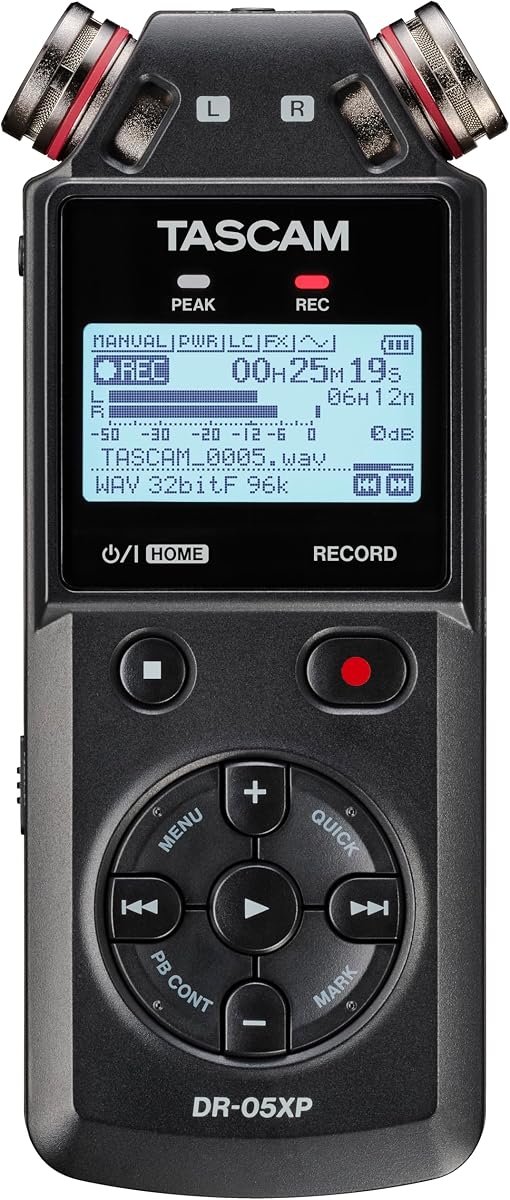
TASCAM DR-05XP Portable Handheld Field Recorder
4.2Editor score
32-bit float recording
USB-C audio interface
Up to 17.5 hours operation
This guide compares the best handheld recorders for journalists including audio quality, battery life, and durability to help you choose the right tool for
Journalists need reliable audio tools to capture interviews and field sounds clearly. A good handheld recorder ensures professional quality without bulky equipment.
We evaluated top models based on sound clarity, ease of use, and battery performance. Our list covers options for every budget and reporting style.
Each pick highlights key features and real-world usability for news gathering. Prices may vary so check current listings before purchasing your device.
4.2Editor score

4.7Editor score

4.4Editor score
This side-by-side comparison highlights the key specifications and features of each top-rated device to help you make an informed decision for your reporting needs.




The Zoom H5 stands out as a top choice for journalists needing versatile audio capture. With a high rating it delivers professional sound across many scenarios.
We may earn a commission when you buy through this link, at no additional cost to you.
Its interchangeable input capsules let you swap microphones like lenses on a camera. The included X/Y capsule provides excellent stereo separation for interviews and ambient sound.
While it runs on AA batteries which may require spares for long shoots the audio safety net protects recordings from unexpected loud sounds. This ensures you never lose critical audio.
Journalists who need flexibility in field reporting will appreciate this unit. It is a reliable investment for those prioritizing sound quality and modularity.
Swap capsules easily to match different recording environments without carrying multiple devices.
Connect external microphones directly for enhanced control over audio input levels.
We may earn a commission when you buy through this link, at no additional cost to you.
This TASCAM model offers exceptional value for reporters on a budget. It captures high-quality audio without the premium price tag of higher-end models.
We may earn a commission when you buy through this link, at no additional cost to you.
The 32-bit float feature allows you to record without worrying about clipping. Even if levels spike unexpectedly the audio remains recoverable for post production work.
Battery life provides enough power for most daily assignments but bringing spare AA batteries is wise for extended coverage. The device is small enough to slip into a pocket.
It is an ideal starter device for new journalists or those needing a backup recorder. Performance is solid for interviews and ambient sounds in quiet environments.
32-bit float technology ensures recordings stay clean even during sudden volume spikes.
Connect directly to computers for fast file transfers without extra cables.
We may earn a commission when you buy through this link, at no additional cost to you.
The Zoom H2 Essential combines modern convenience with high-end audio features. It is built for creators who need precise control over their recordings in any setting.
We may earn a commission when you buy through this link, at no additional cost to you.
Nine recording patterns let you adjust the mic configuration for different scenarios from intimate interviews to wide outdoor scenes. The 32-bit float ensures clean audio at any gain setting.
Bluetooth timecode sync allows multiple units to work together seamlessly which is rare in this class. Accessibility features like audible menus make it usable for visually impaired users too.
Journalists needing advanced capabilities will find this unit worth the investment. It balances portability with professional features that elevate reporting quality significantly.
Select from nine patterns to tailor the microphone field for different interview setups.
Sync multiple recorders via Bluetooth timecode for coordinated multi-angle shoots.
We may earn a commission when you buy through this link, at no additional cost to you.
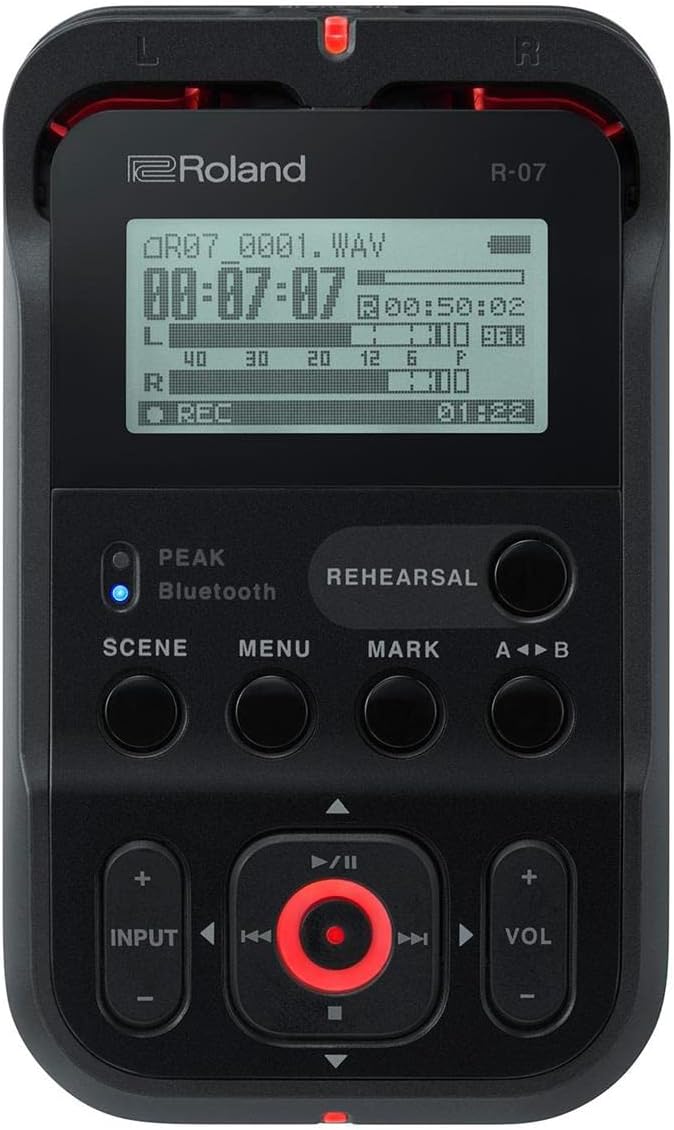
Roland brings its audio expertise to this compact recorder. It focuses on user experience with features that speed up the recording process in the field.
We may earn a commission when you buy through this link, at no additional cost to you.
One-touch templates allow instant setup for common scenarios like interviews or concerts. The Bluetooth control lets you monitor audio wirelessly which helps verify levels without holding the device.
While it lacks professional XLR inputs the built-in mics are capable of capturing clear sound. Battery life supports full day usage which is practical for daily assignments.
This device suits journalists who value convenience and quick workflow. It is a reliable tool for capturing high-resolution audio with minimal setup time.
Use pre-set templates to start recording instantly for common news scenarios.
Connect to smart devices for easy playback and level checks on the go.
We may earn a commission when you buy through this link, at no additional cost to you.
This EVISTR recorder offers massive storage capacity for journalists who record many hours of audio. It is designed for efficiency with voice activation to save space.
We may earn a commission when you buy through this link, at no additional cost to you.
With 64GB you can store thousands of hours of recordings without needing external drives. The voice activated mode starts recording only when sound is detected reducing silent files.
While the audio quality is good for general use it is not as robust as dedicated field recorders. The PCM noise reduction helps clarity in noisy environments though.
It is an excellent backup device or for documentation purposes where volume matters. Journalists needing long-term storage without frequent transfers will appreciate this model.
64GB capacity holds days of continuous recording without external storage needs.
Record only when voices are detected to save battery and storage space.
We may earn a commission when you buy through this link, at no additional cost to you.
The Tonfarb recorder emphasizes speed with one-click record and save functionality. This is useful for capturing fleeting thoughts or quotes instantly without navigating menus.
We may earn a commission when you buy through this link, at no additional cost to you.
Its 48-hour battery life is impressive for field work. Password protection ensures sensitive files remain secure which is important for confidential journalistic material.
Audio quality is sufficient for notes and meetings but may not match professional standards for broadcast. The PCM format supports clear capture for general purposes.
Journalists needing a fast backup or voice memos device will find it handy. It prioritizes speed and storage over high fidelity audio production.
Capture important quotes instantly with side buttons even when powered off.
Protect sensitive recordings with password access for privacy and safety.
We may earn a commission when you buy through this link, at no additional cost to you.
The Tascam DR-40 is a reliable option for journalists needing multiple input channels. It allows recording from different sources simultaneously with flexibility.
We may earn a commission when you buy through this link, at no additional cost to you.
With 4-track capability you can layer audio from microphones and instruments independently. The built-in stereo condenser mics provide decent sound for quick interviews.
While it lacks modern connectivity options like USB-C it still functions well as a USB audio interface. Battery performance may require frequent changes during long sessions.
This unit suits those who need independent track control for post production. It is a solid workhorse for journalists who prioritize input versatility.
Record up to four separate tracks to control levels during editing.
Power condenser microphones directly from the device for better capture.
We may earn a commission when you buy through this link, at no additional cost to you.
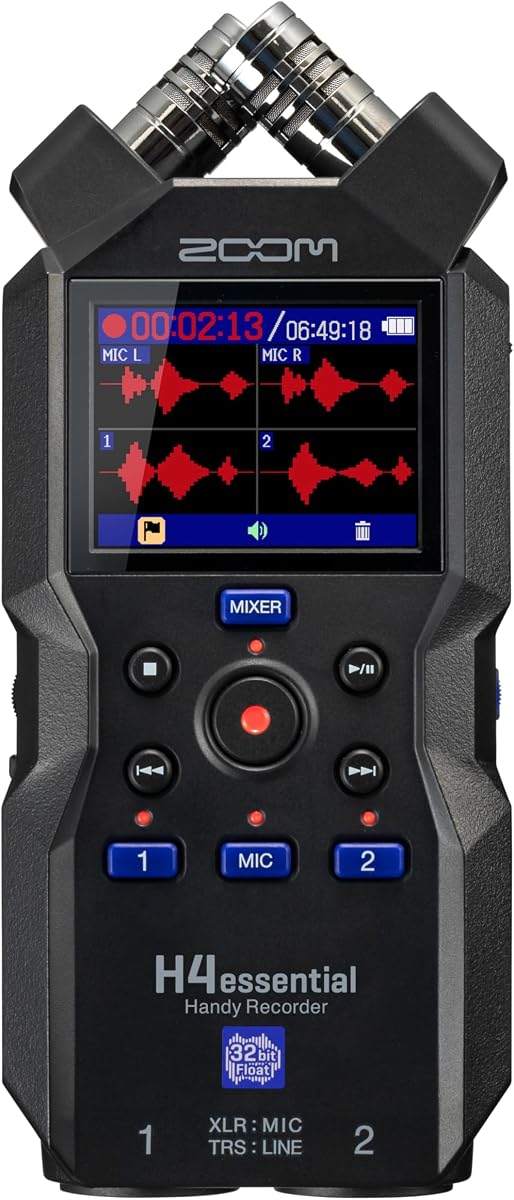
The Zoom H4 Essential offers robust 4-track recording in a compact body. It is designed to help creators capture more complex audio scenarios easily.
We may earn a commission when you buy through this link, at no additional cost to you.
XLR/TRS inputs allow connection of external microphones and instruments. USB-C connectivity makes transferring files fast and simple with modern laptops.
Spoken menu guidance helps users navigate settings quickly which reduces confusion during live recording. Battery life is adequate but spares are recommended for field work.
Journalists who need a balance of professional inputs and portability should consider this. It delivers reliable performance for interviews and ambient sound capture.
Connect professional microphones for higher quality audio capture.
Navigate settings with voice prompts for faster operation.
We may earn a commission when you buy through this link, at no additional cost to you.
Pocket transforms recording into actionable insights with AI transcription and summarization. It is ideal for journalists who need quick notes from interviews.
We may earn a commission when you buy through this link, at no additional cost to you.
The AI extracts key points and action items automatically saving time on editing. MagSafe compatibility lets you attach it to phones for hands-free recording on the go.
Battery life supports multiple days which is convenient for travel. While audio quality is good the device is more about software value than raw hardware specs.
Journalists prioritizing speed and note organization will appreciate this tool. It bridges the gap between recording and content production effectively.
Turn audio instantly into text and summaries for fast reporting.
Attach to phones for effortless recording without holding a device.
We may earn a commission when you buy through this link, at no additional cost to you.
The Zoom H1 Essential provides a straightforward solution for capturing clear stereo audio. It is designed for quick content creation without complex setup steps.
We may earn a commission when you buy through this link, at no additional cost to you.
USB mic mode lets you use the recorder as a microphone for calls and streams. The simple controls ensure you can start recording quickly when inspiration strikes.
While it lacks professional XLR inputs the built-in mics handle interviews well. The compact design makes it easy to carry in a bag or pocket.
Journalists needing a quick and affordable tool for basic recording will find it useful. It is a practical entry-level option for field audio capture.
Use as a USB mic for online calls or streaming sessions.
Small form factor makes it easy to carry anywhere.
We may earn a commission when you buy through this link, at no additional cost to you.
Selecting the right recorder involves balancing audio quality with practical needs for field work.
Look for devices that support 32-bit float recording to avoid clipping during loud moments. This ensures recordings remain recoverable in post production.
Prioritize models with high bit depth for cleaner sound in quiet interview settings.
XLR inputs allow connection of professional microphones for better control over audio quality. USB connections are useful for quick file transfers to laptops.
Choose a unit with inputs that match your existing equipment needs.
Field reporting often involves long days so battery life is critical. AA batteries are easy to replace but built-in rechargeable options may be more convenient.
Consider carrying spare batteries for extended assignments.
Large storage prevents interruption during recording sessions. SD card support allows for easy expansion if needed.
Ensure the device supports high capacity cards for heavy usage.
Simple controls and clear menus help you focus on the interview. Voice activated features can save battery and storage space.
Look for intuitive designs that minimize distractions in the field.
A lightweight device fits easily into pockets or bags for on the go recording. Weight affects comfort during long use.
Choose compact models to reduce fatigue in the field.
Bluetooth and USB-C options enable modern workflows for syncing or file transfers. These features speed up your editing process.
Check connectivity needs to match your existing tech.
Build quality matters for devices used in varied environments. Look for sturdy casings that can withstand drops or weather.
Invest in models known for reliability in tough conditions.
Always check battery levels and memory before heading out for a story. This prevents interruptions during critical recording moments.
Test microphone placement in advance to ensure clear audio capture. Avoid holding the device too close to your hand to reduce handling noise.
Clean the device regularly and store it in a protective case when not in use. This extends its lifespan and ensures reliability over time.
The Zoom H5 is top for flexibility with interchangeable capsules. The TASCAM DR-05XP offers great budget value. Your choice depends on needs and budget.
Yes most portable recorders come with built-in stereo condenser microphones. This allows quick setup without external gear for most interviews and ambient sound.
Battery life varies from 16 hours to several days on a single charge. Rechargeable models may last 4 days while others use AA batteries that can be swapped out.
Higher-end models like the Zoom H5 or H4 Essential have XLR inputs for external mics. This offers professional sound quality for demanding interviews.
WAV files are preferred for lossless quality and editing flexibility. MP3 is useful for quick sharing but may sacrifice audio fidelity compared to WAV.
Many modern recorders offer voice activation to start recording only when sound is detected. This saves battery and storage by eliminating silence.
Some devices like Pocket use AI for transcription and cloud sync. Traditional hardware recorders typically require manual file transfer for cloud access.
USB or USB-C connectivity lets you transfer files directly. SD cards also allow easy transfer via card readers on computers.
The Zoom H5 and TASCAM DR-05XP offer excellent value and performance for most journalists. Both provide reliable tools for capturing professional sound on the go.
Prioritize features like input flexibility and battery life based on your reporting style. The right device enhances workflow without getting in your way.
Prices and availability change frequently so verify current listings before purchasing. Ensure your final choice fits both your budget and technical requirements.