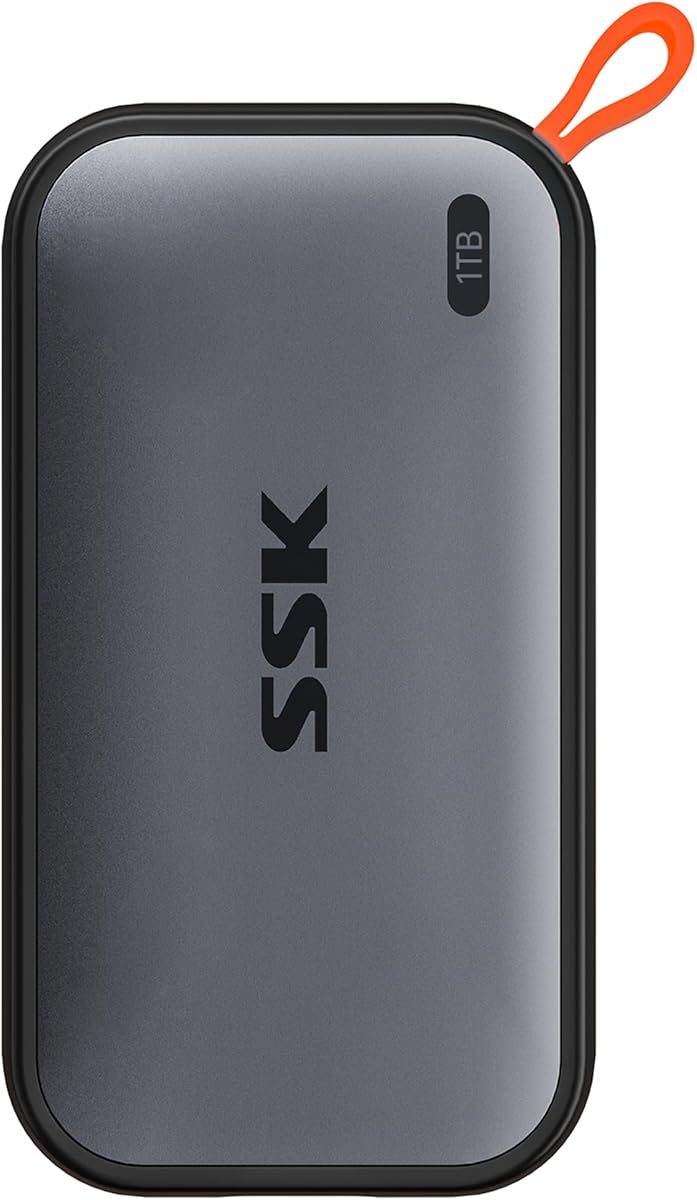
SSK Portable SSD 1TB External Solid State Hard Drive
4.5Editor score
Affordable pricing for high capacity
SLC caching for steady performance
Lightweight and portable design
This guide compares the top 10 external SSDs for Linux users, evaluating speed, durability, compatibility, and features to help you choose the perfect drive.
Choosing the right external SSD for Linux requires careful consideration of compatibility, speed, and durability. Linux users need drives that mount seamlessly and handle heavy workloads without issues. This guide helps you find the perfect storage solution.
We compared ten top-rated external SSDs based on performance, build quality, and Linux support. Each product was evaluated for file transfer speeds, encryption, and cross-platform reliability. Our analysis ensures you get a drive that works flawlessly with your system.
Each pick highlights key strengths and potential trade-offs for Linux environments. Prices and availability change frequently, so verify current details before buying. Use this guide to make an informed decision tailored to your specific storage needs.
4.5Editor score

4.7Editor score
4.6Editor score
This table provides a side-by-side comparison of all ten products, highlighting key specifications, ratings, and unique features to help you quickly identify the best option for your Linux setup.




The Samsung T7 Portable SSD stands out as a top choice for Linux users seeking reliable performance. With its robust 4.7 rating, this drive delivers exceptional speed and durability. Its sleek design and extensive compatibility make it ideal for various workflows.
We may earn a commission when you buy through this link, at no additional cost to you.
Linux users benefit from its PCIe NVMe technology, ensuring rapid file transfers up to 1050MB/s. The aluminum unibody design provides shock resistance, making it perfect for travel. Samsung Magician software enhances drive health monitoring across platforms.
While the T7 lacks water resistance, its durability and speed justify the investment. Linux file systems mount seamlessly, ensuring no compatibility issues. The included cables support both USB-C and USB-A, offering flexibility.
If you need a balance of speed and reliability, the T7 is recommended. It suits professionals handling large media files or developers needing quick data access. The encryption features add an extra layer of security for sensitive data.
PCIe NVMe technology ensures sustained high speeds for heavy workloads.
Aluminum construction withstands drops up to 6 feet for reliable protection.
We may earn a commission when you buy through this link, at no additional cost to you.
The SSK Portable SSD offers outstanding value for Linux users on a budget. With a solid 4.5 rating, it provides fast speeds and reliable performance. Its lightweight design makes it easy to carry anywhere.
We may earn a commission when you buy through this link, at no additional cost to you.
Linux users enjoy its plug-and-play compatibility with various file systems. The SLC caching ensures consistent performance during large transfers. The aluminum case helps manage heat, ensuring stable operation under load.
Though it lacks advanced software, the drive delivers essential features effectively. The included cables support both USB-C and USB-A for broad connectivity. Its price point makes it accessible without sacrificing speed.
Ideal for students or casual users, the SSK SSD meets everyday needs. It supports 4K video capture and backup tasks efficiently. For basic storage needs, it balances cost and performance well.
Affordable pricing makes high-capacity storage accessible for everyone.
Aluminum case design ensures reliable performance without overheating.
We may earn a commission when you buy through this link, at no additional cost to you.
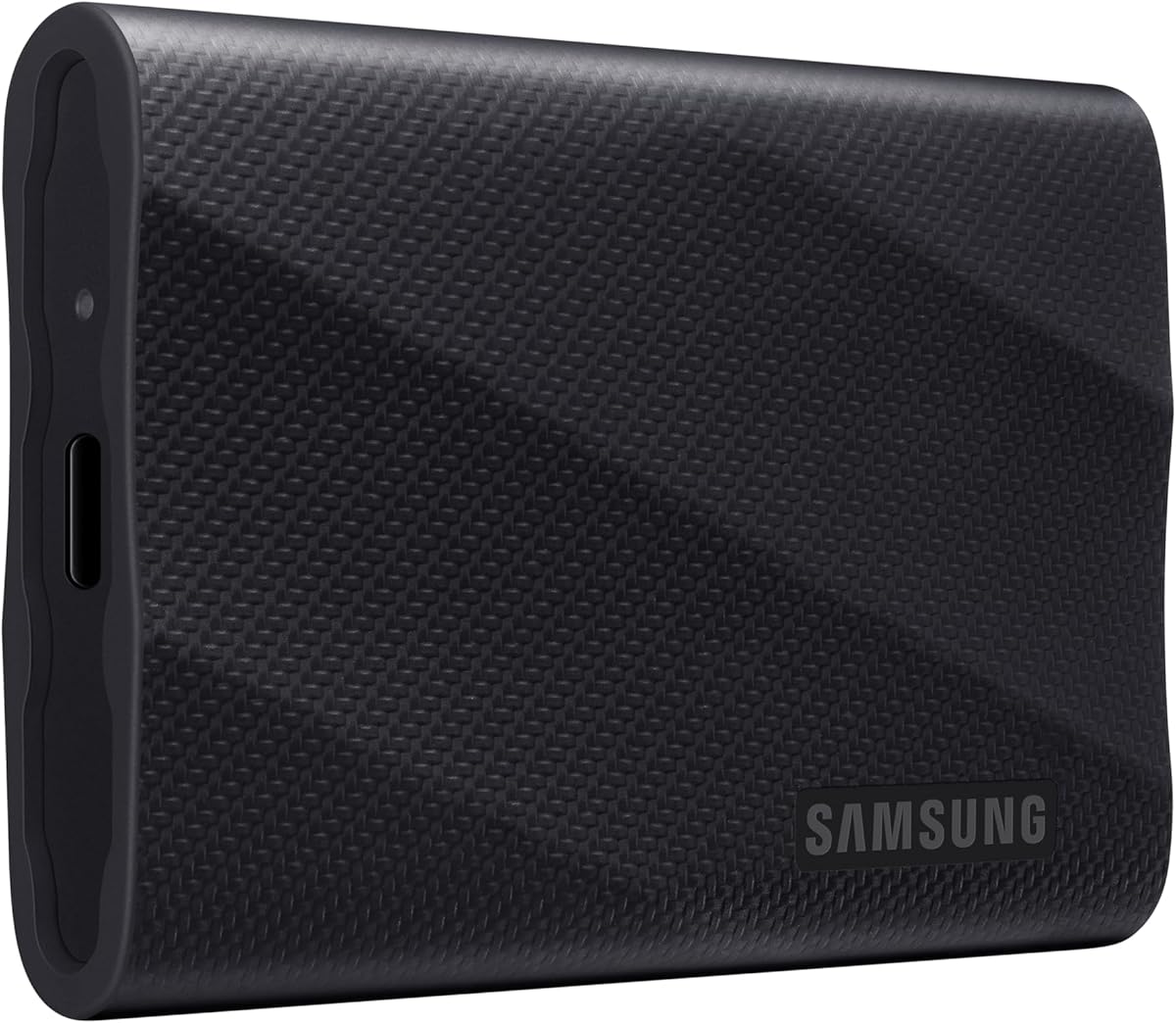
The Samsung T9 represents the pinnacle of portable SSD technology for Linux users. Its impressive 4.6 rating reflects top-tier performance and reliability. With speeds up to 2000MB/s, it handles demanding tasks effortlessly.
We may earn a commission when you buy through this link, at no additional cost to you.
Linux environments benefit from its compatibility and thermal guard. This technology prevents throttling during extended sessions. The Magician software ensures the drive remains optimized and secure over time.
While the premium price may deter some, the performance justifies the cost. It excels with large video files or databases. The Gen 2×2 interface future-proofs your storage setup for upcoming devices.
For professionals needing maximum speed, the T9 is unmatched. It integrates seamlessly with Linux systems and offers robust software tools. If budget allows, it delivers superior long-term value and performance.
Up to 2000MB/s enables near-instant file transfers for professionals.
Dynamic thermal guard maintains ideal temperatures during heavy use.
We may earn a commission when you buy through this link, at no additional cost to you.
The SanDisk Extreme Portable SSD is ideal for Linux users needing rugged storage. With a 4.6 rating, it combines durability with high capacity. Its IP65 rating ensures protection against harsh environments.
We may earn a commission when you buy through this link, at no additional cost to you.
Linux compatibility is seamless, with standard file system support. The carabiner loop allows easy attachment to gear, making it perfect for travel. Encryption keeps data secure even if lost.
While the drive is heavier, the durability is worth it. The firmware updates enhance reliability over time. Though the app focuses on Windows, the core drive works fine on Linux.
For outdoor professionals or travelers, this SSD offers peace of mind. It withstands elements and accidents while delivering solid performance. Choose it if durability and capacity are your top priorities.
IP65 rating protects against water and dust during outdoor work.
2TB space accommodates vast media collections or backups.
We may earn a commission when you buy through this link, at no additional cost to you.
The Samsung T7 Shield delivers robust performance for Linux users seeking durability. Its 4.7 rating confirms reliability and strong build quality. Designed for tough conditions, it resists water, dust, and drops.
We may earn a commission when you buy through this link, at no additional cost to you.
Linux integration is smooth, supporting standard file systems and mounting. The Magician software offers tools for monitoring drive health. Its large capacity suits users needing extensive storage for projects.
While encryption software isn't bundled, the drive's physical security is excellent. The rugged exterior adds confidence for outdoor use. Performance remains consistent even under demanding conditions.
Ideal for photographers or field workers, this SSD is a trustworthy companion. It balances capacity with durability without sacrificing speed. If you need a tank-like drive, this is a great choice.
Designed to withstand drops up to 9.8 feet and harsh elements.
2TB provides ample space for large files and backups.
We may earn a commission when you buy through this link, at no additional cost to you.
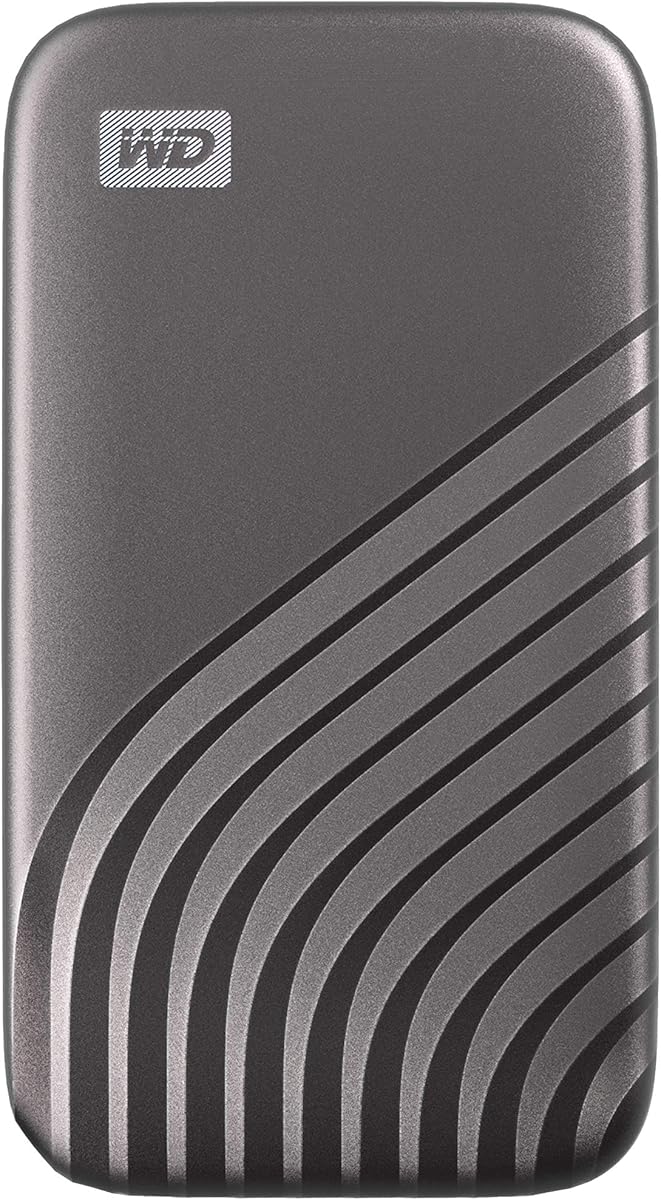
The Western Digital My Passport SSD is a solid choice for Linux users prioritizing security. With a 4.5 rating, it offers strong performance and reliable build quality. Password protection and encryption are key features.
We may earn a commission when you buy through this link, at no additional cost to you.
Linux users can mount the drive easily and set up security measures. The hardware encryption ensures data remains safe. Its rugged design withstands minor shocks, making it suitable for daily carry.
While the encryption setup might be slightly more involved on Linux, it works well. The drive provides consistent speeds for regular tasks. Its compact size fits easily into pockets or bags.
For users needing secure storage without breaking the bank, this is ideal. It balances speed, capacity, and security effectively. Choose it if data protection is a major concern for your workflow.
Hardware encryption and password protection safeguard sensitive data.
Compact design makes it easy to carry anywhere securely.
We may earn a commission when you buy through this link, at no additional cost to you.
The Lexar ES3 Portable SSD is perfect for Linux users needing compact storage. Its 4.4 rating reflects solid performance and design. At just 10.5mm thick, it slips effortlessly into any pocket.
We may earn a commission when you buy through this link, at no additional cost to you.
Linux compatibility is straightforward, with standard mounting and access. The DataShield software adds encryption without requiring extra steps. Despite its light build, it handles routine tasks with ease.
While not rugged, the drive prioritizes portability and speed. Its design suits users who value convenience. The USB-C connection ensures fast transfers across devices.
Ideal for students or travelers, this SSD offers excellent mobility. It provides enough speed for most workflows. If you need a slim, reliable drive, the Lexar ES3 is a strong contender.
Thin profile and lightweight build maximize convenience for users.
DataShield software helps protect your private files easily.
We may earn a commission when you buy through this link, at no additional cost to you.
The Samsung T7 500GB is a reliable choice for Linux users seeking compact storage. With a 4.7 rating, it delivers consistent speed and security. Its small form factor makes it easy to carry.
We may earn a commission when you buy through this link, at no additional cost to you.
Linux systems mount it without issues, ensuring smooth operation. The dynamic thermal guard maintains performance during heavy use. Password features add essential security for personal data.
While the capacity is limited, it suits users with smaller needs. The build quality is high, matching other T7 models. Colors like Red add a touch of style.
For students or light users, this drive balances features and portability. It is perfect for essential files and applications. If you prioritize speed and security, this is a solid pick.
Fast speeds in a small package ideal for everyday tasks.
Password protection keeps your data safe from unauthorized access.
We may earn a commission when you buy through this link, at no additional cost to you.
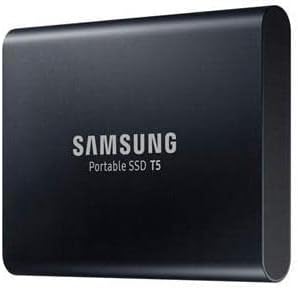
The Samsung T5 Portable SSD remains a classic choice for Linux users. With an impressive 4.8 rating, it offers durability and ease of use. Its design is timeless and practical.
We may earn a commission when you buy through this link, at no additional cost to you.
Linux mounting is seamless, supporting various file systems. The metal build adds durability, and it comes with both USB-C and USB-A cables. Password protection options are straightforward to set up.
While speeds are lower than newer models, it handles everyday tasks well. The reliability ensures longevity, making it cost-effective. It is ideal for users not needing peak performance.
For basic storage needs, the T5 is a trusted option. It fits small projects and personal files. If you value reliability and simplicity, this is a dependable choice.
High ratings confirm its durability and consistent performance over time.
Includes USB-C and USB-A cables for broad device connectivity.
We may earn a commission when you buy through this link, at no additional cost to you.
The Samsung T5 2TB Portable SSD offers great capacity for Linux users. Its 4.8 rating reflects reliability and consistent performance. The metal build ensures durability for regular use.
We may earn a commission when you buy through this link, at no additional cost to you.
Linux compatibility is straightforward, with standard file system support. The 2TB storage suits users needing more space without upgrading to newer models. Encryption features protect your data effectively.
While the speed is lower than modern SSDs, it handles large files well. The cost per gigabyte is favorable, offering value. It works well for backups and media storage.
For users prioritizing capacity and value, the T5 is excellent. It fits projects and files requiring significant space. If you need reliable storage, this classic remains a strong option.
2TB storage offers generous space for media and backups.
Metal construction ensures the drive withstands daily wear.
We may earn a commission when you buy through this link, at no additional cost to you.
Selecting the right external SSD for Linux involves understanding key factors like compatibility, speed, durability, and security. This guide outlines essential considerations to help you make an informed choice.
Linux systems use file systems like ext4, btrfs, or NTFS for external drives. Ensure the SSD formats correctly without needing proprietary software. Most modern SSDs support Linux natively.
Choose drives with broad compatibility to avoid mounting issues or data loss. Standard interfaces reduce setup complexity.
Fast read and write speeds are critical for productivity and handling large files. Look for USB 3.2 Gen 2 or newer interfaces offering speeds over 1000MB/s. NVMe technology delivers superior performance.
Higher speeds reduce wait times during transfers. Prioritize drives that sustain speeds under load for best results.
Portable SSDs should withstand travel and daily handling. Consider models with shock resistance, metal casings, or IP ratings. Rugged designs protect your data from physical damage.
Invest in drives built to last for long-term reliability. Durability ensures your data remains safe regardless of conditions.
Protect sensitive data with built-in encryption and password protection. Hardware encryption ensures files are secure even if the drive is lost. Look for software that supports Linux environments.
Security features add peace of mind for personal or professional use. Ensure encryption tools work across your OS.
Choose capacity based on your storage requirements. 500GB suits basic files, while 2TB or more handles media or backups. Consider how much data you regularly work with.
Matching capacity to needs prevents unnecessary spending. Evaluate your current and future storage demands carefully.
Compact and lightweight designs enhance portability. Look for drives that fit easily in bags or pockets. Features like carabiner loops add convenience for travelers.
A practical design makes daily use easier. Prioritize slim profiles if mobility is important.
Drive health monitoring software helps maintain performance. Tools like Samsung Magician offer firmware updates and diagnostics. Ensure Linux compatibility if you rely on these features.
Good software extends drive lifespan and prevents issues. Check availability before purchasing.
Compare prices relative to capacity and features. Longer warranties indicate manufacturer confidence in product quality. Balance cost with long-term value.
Prioritize warranties that offer clear support. Ensure pricing fits your budget without compromising essential features.
Always connect your external SSD using the included high-speed cables to ensure optimal performance. Plug and play should work instantly, but verify the drive mounts correctly in your file manager. If needed, format it using Linux tools like GParted.
Safely eject the drive before unplugging to prevent data corruption. Use the system tray or terminal commands to ensure all operations complete. This protects your data and maintains drive longevity over time.
Keep the SSD in a cool, dry place away from direct sunlight or moisture. Clean the connectors regularly with a soft, dry cloth. Avoid dropping or bending the cable to prevent physical damage.
Yes, most external SSDs work with Linux using standard file systems and USB interfaces. No additional drivers are usually needed for basic use. Just ensure the drive is properly formatted.
ext4 is ideal for Linux-only systems due to performance and stability. NTFS works well for cross-platform use between Windows and Linux. Choose based on your workflow needs.
Use built-in encryption tools like LUKS or hardware encryption supported by the drive. Set strong passwords to protect your data. Always back up sensitive files separately.
Yes, many external SSDs support booting Linux distributions directly. Performance may vary based on USB speed and controller. Ensure the BIOS/UEFI supports USB booting.
Samsung drives are generally reliable on Linux with broad compatibility. Some features like Magician may have limited Linux support. Performance and durability remain top-notch.
Quality SSDs can last 5 to 10 years with typical usage. Factors like write frequency and environmental conditions affect longevity. Monitor drive health for timely replacements.
SSDs do not need defragmentation like HDDs. TRIM commands help maintain performance automatically. Linux handles TRIM efficiently for optimal drive health.
Check cable connections, try a different port, or reboot the system. Use terminal tools to diagnose hardware issues. Updating Linux kernels can also resolve compatibility problems.
This guide reviewed 10 top external SSDs tailored for Linux users, highlighting speed, durability, and compatibility. From the versatile Samsung T7 to rugged options like the SanDisk Extreme, each offers unique benefits.
Prioritize performance and reliability that match your workflow. Whether you need speed for creative work or security for sensitive data, select a drive with the right balance of features.
Prices and availability fluctuate, so check current deals before purchasing. Use this guide as a foundation to make an informed decision. Your ideal SSD is ready to enhance your Linux setup.