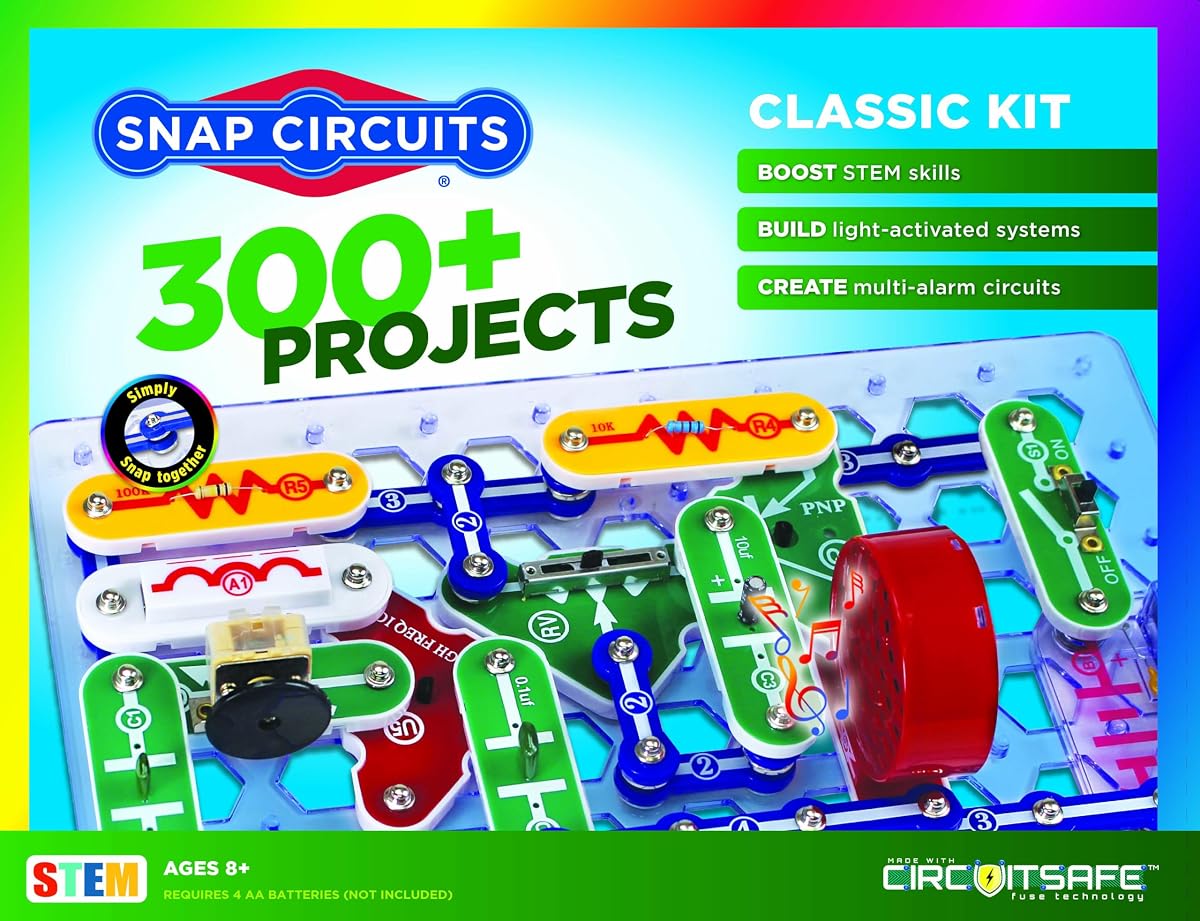
SNAP CIRCUITS Classic SC-300
4.8Editor score
300+ snap projects
No tools or soldering
Award winning STEM education
This guide compares the top electronics kits for teens covering Arduino projects, soldering kits, and robotics to help you choose the perfect STEM learning
Finding the right electronics kit for teens can spark a lifelong passion for engineering and coding. These hands-on tools bridge the gap between theoretical science and practical application, allowing young minds to build real devices from scratch.
We evaluated ten leading kits based on component variety, ease of use, educational value, and project complexity. Our selection includes microcontroller sets, soldering practice kits, and pre-built robotics designed to challenge and engage teenage hobbyists effectively.
Each pick highlights specific strengths like sensor diversity, guided tutorials, or advanced features like Wi-Fi cameras. Prices and availability may change, so check the latest details before purchasing to ensure you get the best value for your learning goals.
4.8Editor score

4.7Editor score

4.5Editor score
This side-by-side comparison highlights the unique strengths of each kit to help you find the right fit for your skill level and interests.


This mega kit stands out as a comprehensive choice for teens ready to dive deep into electronics and coding. It offers a massive range of components including sensors motors and displays that allow for intricate projects beyond basic blinking LEDs.
We may earn a commission when you buy through this link, at no additional cost to you.
The board itself provides significantly more input output pins and memory compared to standard boards. This means users can connect more devices simultaneously without needing extra shields. The included tutorials guide learners through RFID access real-time clocks and motor control effectively.
While it is packed with features it requires a foundational understanding of how microcontrollers work. Teens might need some initial guidance to navigate the sheer volume of parts and code examples provided in the kit.
For a teen aiming to build robots or smart home devices this kit is an ideal starting point that grows with their skills.
The vast array of modules lets you build interactive displays environmental monitors and even alarm systems from scratch.
Pre-soldered modules and a dedicated storage box keep components sorted and reduce setup time significantly.
We may earn a commission when you buy through this link, at no additional cost to you.
The UNO R3 starter kit is designed to ease teens into the world of microcontrollers without overwhelming them. It includes a wide variety of common components like LEDs and sensors to build practical gadgets quickly.
We may earn a commission when you buy through this link, at no additional cost to you.
The learning path is well structured starting with simple circuits and moving toward more complex interactions like RFID access. The inclusion of a solderless breadboard means you can experiment freely without permanent changes.
Compared to the Mega version this kit has fewer pins and less memory. This might limit very large projects but it is perfect for learning the fundamentals of coding and electronics safely.
Teens looking for a straightforward introduction to STEM with minimal frustration will find this kit highly rewarding and educational.
Adjusting sensor thresholds and display text helps solidify programming concepts through tangible results.
Supports both USB and battery power so you can take your projects on the go easily.
We may earn a commission when you buy through this link, at no additional cost to you.
Building your own robot car is a dream project for many teens and this kit makes it accessible and fun. It combines mechanical assembly with advanced coding features like Wi-Fi video streaming to bring your creation to life.
We may earn a commission when you buy through this link, at no additional cost to you.
The camera allows for first-person view driving which adds a layer of excitement and technical challenge. Sensors help the car navigate obstacles and follow lines autonomously teaching principles of autonomous systems.
The setup is designed to minimize wiring errors with keyed connectors and illustrated guides. However understanding the code modifications is necessary to customize the driving behavior fully.
For teens interested in engineering and robotics this kit offers a tangible and rewarding project that demonstrates real world application of technology.
Using the camera for FPV control helps understand how sensors and actuators work together in robotics.
Modify code to create unique reactions or routes that challenge your logic and problem-solving skills.
We may earn a commission when you buy through this link, at no additional cost to you.
This classic kit is a staple for introducing electronics basics without the complexity of programming or soldering. It focuses on how circuits work visually and physically which is perfect for younger teens or those new to the hobby.
We may earn a commission when you buy through this link, at no additional cost to you.
The snap-together design ensures that connections are reliable and easy to test. You can build an AM radio or a burglar alarm quickly and see immediate results which keeps engagement high.
While it does not teach coding it provides a strong foundation in electrical concepts like voltage and current. It is often used in classrooms because it is durable and safe for group learning.
For a worry-free gift that sparks curiosity and teaches logic circuits this kit remains a top choice for families.
No soldering iron means no burn risks making it safe for independent learning at home.
From simple lights to complex alarms the sheer variety keeps learning fresh and exciting.
We may earn a commission when you buy through this link, at no additional cost to you.
Building your own speaker is a practical project that results in something you can actually use. This kit walks you through the soldering process and the assembly of a case to create a portable Bluetooth speaker.
We may earn a commission when you buy through this link, at no additional cost to you.
The board is partially pre-soldered to simplify the build which helps teens focus on specific connections like the LED light board. It is a great way to gain confidence with a soldering iron in a controlled environment.
Sound quality is acceptable for personal use but might not match commercial speakers. The real value lies in the process of assembling the components and seeing the project come to life.
Teens interested in audio or DIY crafts will appreciate the tactile nature of this project and the finished device they can take to school.
Learning to solder correctly here prepares you for more advanced hardware repairs in the future.
The acrylic case allows for modifications so you can make it fit your room or style.
We may earn a commission when you buy through this link, at no additional cost to you.
This super starter kit balances cost and functionality effectively for teens who want to learn without a huge investment. It includes the essentials like an LCD screen and various sensors to build interactive projects.
We may earn a commission when you buy through this link, at no additional cost to you.
The PDF tutorial is straightforward and helps you understand the logic behind each circuit. Using a solderless breadboard means you can change circuits easily without damaging components.
While it has fewer projects than the Mega kit it covers the fundamental concepts needed for electronics. It is a cost-effective way to see if a teen enjoys coding and hardware interaction.
Ideal for parents looking for an educational gift that is both affordable and practical for classroom style learning.
Get a solid start with electronics at a lower price point than advanced robotics kits.
The included manual ensures you can start building within minutes of unboxing the kit.
We may earn a commission when you buy through this link, at no additional cost to you.
This kit adds a visual flair to your electronics project with an LED light show that syncs with your music. It provides a fun and engaging way to practice soldering skills while building a usable audio device.
We may earn a commission when you buy through this link, at no additional cost to you.
The manual is highly detailed with color-coded photos that make following along much easier. This visual aid is particularly helpful for teens who struggle with text-heavy instructions.
You will need some basic soldering skills to complete it but the process is simplified by clear steps. The result is a compact speaker that looks great and functions well for personal use.
Great for teens who want a creative project that results in a colorful and functional gadget for their desk.
The LED pulses add a fun dynamic element that makes the project more than just a utility.
High-resolution images in the manual ensure you place every component correctly on the board.
We may earn a commission when you buy through this link, at no additional cost to you.
A theremin is a unique instrument controlled by moving hands through electric fields and this kit lets you build one. It offers a fascinating way to explore physics and sound production without complex electronics.
We may earn a commission when you buy through this link, at no additional cost to you.
The instructions are colorful and break down the science behind capacitance in simple terms. Because there is no soldering involved you can assemble it quickly and start experimenting with sounds right away.
The sound is somewhat abstract but it encourages experimentation and creativity. It is a great conversation piece and a fun way to learn about invisible fields around us.
For teens interested in music technology or physics this kit provides a rare and engaging learning opportunity.
Experience how electric fields interact with your hands to produce sound in real time.
No soldering or tools means the entire process is safe and stress-free for beginners.
We may earn a commission when you buy through this link, at no additional cost to you.
If you already have a microcontroller this sensor kit is the perfect expansion pack to increase your project capabilities. It includes modules for motion distance sound and light that enable advanced sensing applications.
We may earn a commission when you buy through this link, at no additional cost to you.
Each module comes with example code and wiring diagrams making it easy to integrate them into your existing projects. This variety allows you to build environmental monitors or automated systems without buying components individually.
It is important to note this is an add-on so you need a board to control it. But the versatility it adds to your setup is substantial.
Ideal for teens who have mastered basic circuits and want to build more sophisticated interactive systems.
Add temperature detection or obstacle avoidance to your projects with minimal extra effort.
Use individual modules as needed for specific tasks without cluttering your workspace.
We may earn a commission when you buy through this link, at no additional cost to you.
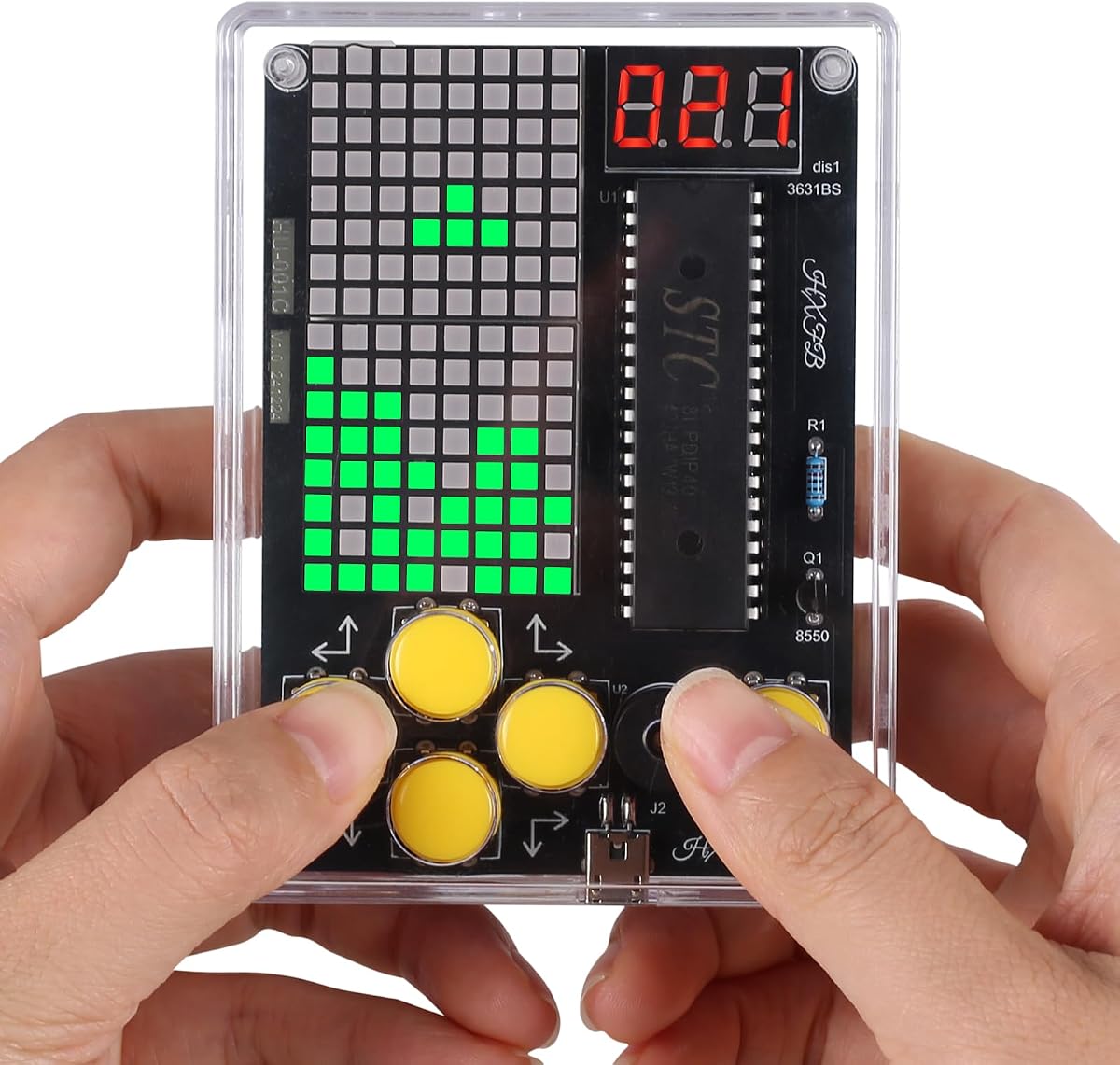
This kit offers a fun twist by letting you build a device with multiple interactive game functions. It is designed to be engaging and practical for teens looking for a quick weekend project.
We may earn a commission when you buy through this link, at no additional cost to you.
The video guidance helps walk you through the assembly which is great if you prefer watching instructions over reading manuals. It helps reduce errors during the soldering process.
The complexity is relatively low which makes it accessible but means it is less challenging than other kits. It serves well as a quick introduction to hardware building.
For a fun weekend activity that results in a playable gadget this kit is a solid choice for beginners.
The seven functions turn your device into a mini arcade experience that you can share.
Video support ensures you understand the assembly process clearly without guesswork.
We may earn a commission when you buy through this link, at no additional cost to you.
Choosing the right kit depends on the teen's interests skill level and the type of projects they want to build.
Beginners might prefer snap kits or solderless breadboards while advanced teens may want microcontrollers with coding requirements.
Look for a kit that matches their current abilities to keep them engaged without feeling overwhelmed.
Check how many guided projects are included to ensure long-term interest. A wide range of options keeps learning fresh.
More projects mean more opportunities to learn new concepts and skills over time.
Ensure the kit includes reliable sensors and boards that will last through multiple builds.
High-quality components reduce frustration from broken parts during experiments.
Clear tutorials whether printed or digital are essential for troubleshooting and learning.
Good instructions explain not just how to build but why it works.
Decide if you want to learn soldering or stick to plug-in modules for safety.
Soldering kits build hand-eye coordination while snap kits focus on circuit logic.
Consider kits that allow adding more sensors or modules later as skills improve.
A modular system grows with the learner ensuring you do not outgrow the kit quickly.
Look for kits with safety guides or components that operate at low voltages.
Safety is paramount when working with electricity and heat sources.
Compare the price against the number of components and accessories included.
A slightly higher upfront cost might offer better long-term value with durable parts.
Start by reading through the manual completely before assembling parts to understand the logic and flow of the projects.
Keep components organized in their original containers or small labeled boxes to prevent losing small wires or resistors.
For soldering kits practice on scrap pieces first to ensure clean joints and avoid burning delicate components.
Many of these kits are designed specifically for beginners with detailed step-by-step tutorials. Snap circuits and UNO R3 starter kits are great entry points.
Some kits like snap circuits do not require coding while others like Arduino sets benefit from basic coding knowledge. Most include example code to help start.
No many kits use solderless breadboards or pre-soldered modules. However some practice kits like speaker builds specifically require soldering skills.
Yes these kits are excellent for STEM classroom projects. They encourage teamwork and provide hands-on learning for science and engineering classes.
Most kits are suitable for teens aged 12 and up. Some simpler snap kits are recommended for younger children starting at age 8.
Replacement parts like sensors or boards are often sold separately online. Buying a standard Arduino board ensures compatibility for future replacements.
Some kits include batteries while others require you to purchase them separately. Always check the product details to confirm what is included in the box.
Whether you choose a robot car or a simple snap circuit each kit offers unique opportunities to learn and create.
Prioritize safety clear instructions and a project range that matches your current skills to ensure a positive experience.
Always check current availability and stock levels before purchasing to guarantee you get the best kit for your needs.